Roll or fanfold construction
Confirm printer, feed route, core, OD, winding, gap, liner, stack, label count and changeover method.
Buyer value: Reduces loading, skipping, curling and unplanned media-change risk.
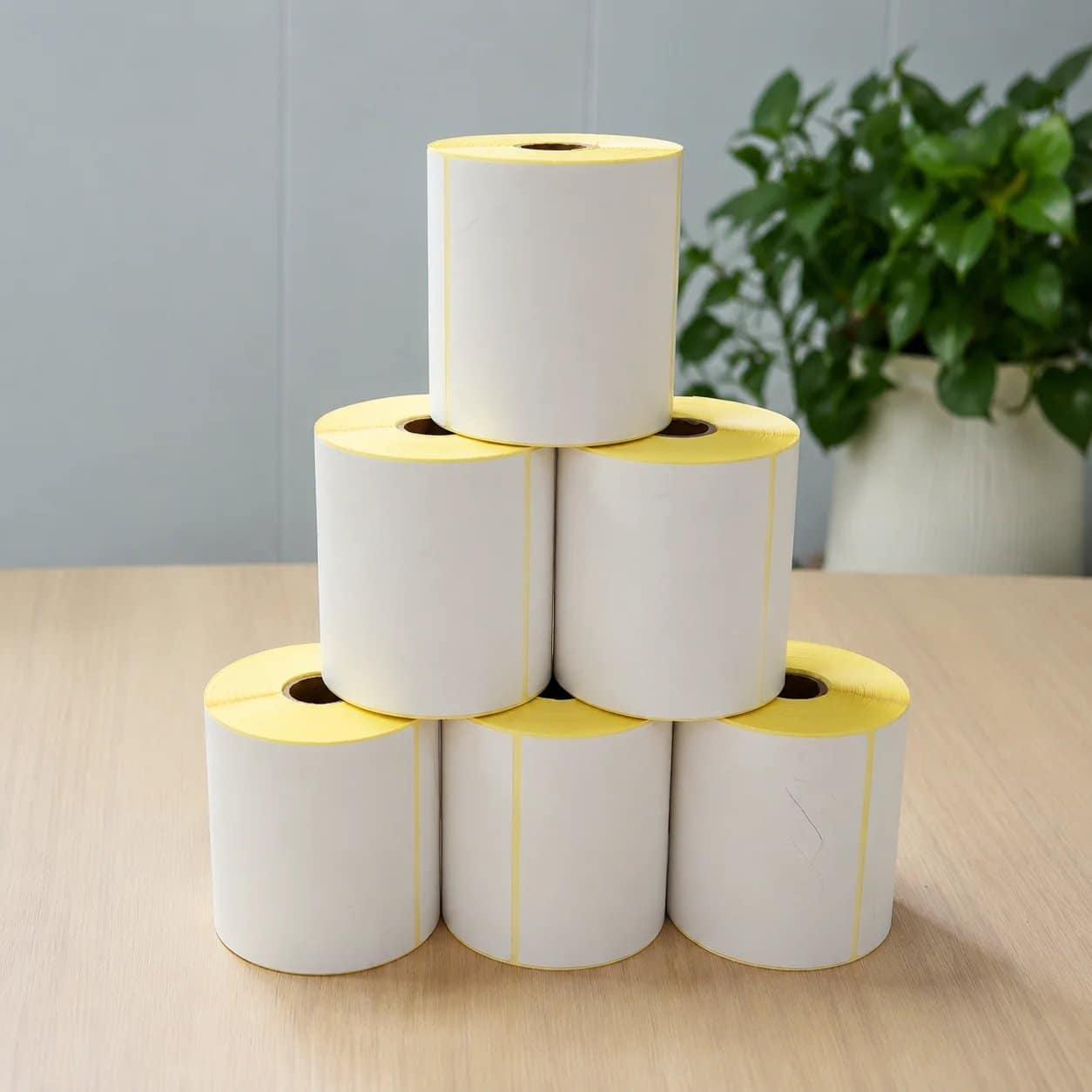
For fulfillment operators, overseas warehouses, distributors and label-system suppliers. Approve the printer and feed format, label construction, parcel surface, scan test, packing and repeat-order reference before comparing bulk quotations.
Printer review
Model, DPI, sensing, feed path, core, OD and winding
Supply formats
Roll or fanfold after equipment and packing approval
Surface review
Board, film, recycled cartons, cold and dusty parcels
Order control
Print, scan, adhesion, count, carton and repeat-order reference
Fast specification check
Equipment
Name the printer or share the current item.
Use
Tell us where and how the product is used.
Order
Add the quantity and delivery country.
Product fit
A 4 x 6 in label defines a nominal 101.6 x 152.4 mm face size, not a complete supply specification. Bulk approval should also identify the printer and DPI, roll or fanfold feed, core and maximum OD, sensing gap or mark, face stock, liner, adhesive, parcel surface, operating environment, barcode test, label count, packing and destination.
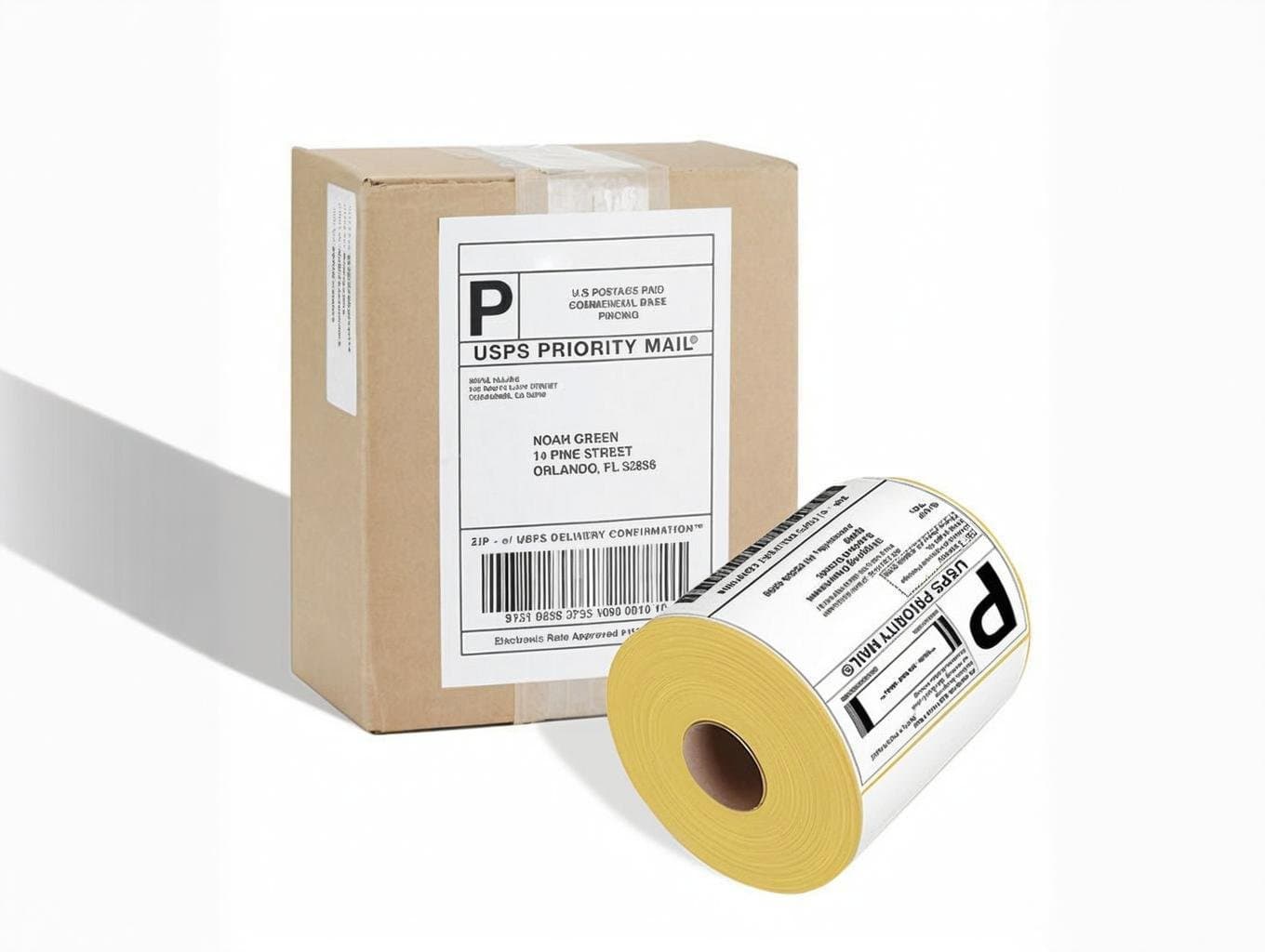
B2B buying answer
Use these inputs to confirm the roll, printer, adhesive and application before comparing supply offers.
Send the exact printer model, DPI, sensing method and current approved media reference.
Choose roll or fanfold supply and confirm core, maximum OD, winding, stack and label count.
Identify the carton, mailer, film, recycled board or other parcel surface and application conditions.
Define barcode or QR content, scan workflow, packing, quantity by SKU and destination.
B2B fulfillment-media program
The supply program connects printer loading, parcel adhesion and barcode output with carton packing, site allocation and repeat-order controls. Each option is confirmed against the approved sample and commercial specification.
3PL and overseas-warehouse operators standardizing packing stations
E-commerce fulfillment teams preparing peak-season replenishment
Label distributors and resellers building roll and fanfold ranges
Printer, barcode and packaging integrators qualifying a media source
Confirm printer, feed route, core, OD, winding, gap, liner, stack, label count and changeover method.
Buyer value: Reduces loading, skipping, curling and unplanned media-change risk.
Match initial tack and final bond to board, film, recycled cartons, dust, cold, condensation and dwell time.
Buyer value: Keeps the parcel label attached through the intended handling route.
Approve thermal response, text, barcode or QR contrast, quiet zone, die-cut position and scan method.
Buyer value: Creates an equipment-specific approval record before volume release.
Freeze inner protection, carton quantity, labels, pallet marks, site split, SKU and change-confirmation reference.
Buyer value: Makes warehouse receiving and repeat replenishment easier to verify.
Minimum order, sample scope, production timing, roll or fanfold packing and delivery plan are confirmed after the final specification, quantity, artwork and destination are reviewed.
Risk control
A size name does not define a production order. Confirm loading, cutting, adhesion, printing, scanning, packing, and repeat supply.
The 4 x 6 face size does not confirm core, OD, winding, fanfold direction, gap, black mark, liner stiffness or media-path fit.
Review response
Review the exact printer, DPI, sensor, feed format and current media, then run a loading and feeding sample where the change creates risk.
Thermal response, printer energy, DPI, code size, quiet zone, surface curvature and handling can reduce readable contrast.
Review response
Approve the actual label design using the intended printer settings, code content, scanners and packing-station workflow.
Recycled board, low-energy film, dust, cold, condensation and short application pressure can change tack and final bond.
Review response
Record the parcel surface, application and service conditions, dwell time and handling route, then test the selected adhesive on the actual package.
Face stock, adhesive coat, liner, gap, label count, core, OD, winding, fanfold stack and packing can differ behind the same size name.
Review response
Compare the complete construction and packing specification instead of price per roll, stack or label alone.
Heat, light, humidity, compression, carton damage and long storage can affect curling, blocking, adhesive behavior and thermal image quality.
Review response
Define storage, turnover, route and arrival checks, then approve roll protection, fanfold cartons and pallet configuration for the destination.
Uncontrolled material, adhesive, die-cut, count or packing changes can create new feed, scan, adhesion and receiving complaints.
Review response
Use an approved master specification, sample reference, carton configuration, SKU and change-confirmation process for every reorder.
Specification
Use these fields to compare quotes. Put the final tolerance, material, packing, and test scope in the approved specification.
Confirm dimensions and media handling with the printer documentation, current label or approved sample.
Final width, length and tolerance belong in the approved specification.
Select the construction from the parcel surface, environment and print workflow rather than the size alone.
Connect the sample result to the SKU, carton, pallet, destination and repeat-order reference.
Application
The same roll can behave differently on another surface. Temperature, moisture, grease, and handling can change adhesion. Test the real application.
Packing stations processing multiple carriers, carton types, daily volumes and client-specific replenishment rules.
Confirm: printer fleet, media format, parcel surfaces, code designs, daily throughput, site allocation and reorder points
Import and local replenishment programs where carton protection, receiving labels and stable repeat specifications matter.
Confirm: destination, storage, route, carton count, pallet marks, delivery split, approved SKU and change process
Roll or fanfold labels for order processing, parcel identification and peak-volume shipping workflows.
Confirm: packing-station printer, throughput, changeover frequency, barcode scan, parcel mix and peak-season forecast
Channel programs requiring multiple printer constructions, inner packs, cartons, artwork versions and local SKU labels.
Confirm: target printer segment, roll and fanfold range, quantities, branding, carton data, pallet and destination
Approval route
Start with the use case and a complete specification. Approve samples and packing before bulk production. Keep the record for repeat orders.
Collect buyer type, printer, current label, format, parcel surface, volume, packing, destination and delivery window.
Assess printer, DPI, sensing, roll or fanfold feed, throughput, changeover and scanning workflow.
Confirm dimensions, face stock, adhesive, liner, gap, core, OD, winding or fanfold stack.
Define code design, print settings, scanner, parcel surface, application conditions, dwell and acceptance result.
Confirm inner protection, carton quantity, labels, artwork, pallet marks, site split and destination data.
Record the approved sample, quantity, commercial terms, packing, documents and confirmed production schedule.
Use the approved construction, sample, count, carton and change-confirmation reference for repeat orders.
Evidence
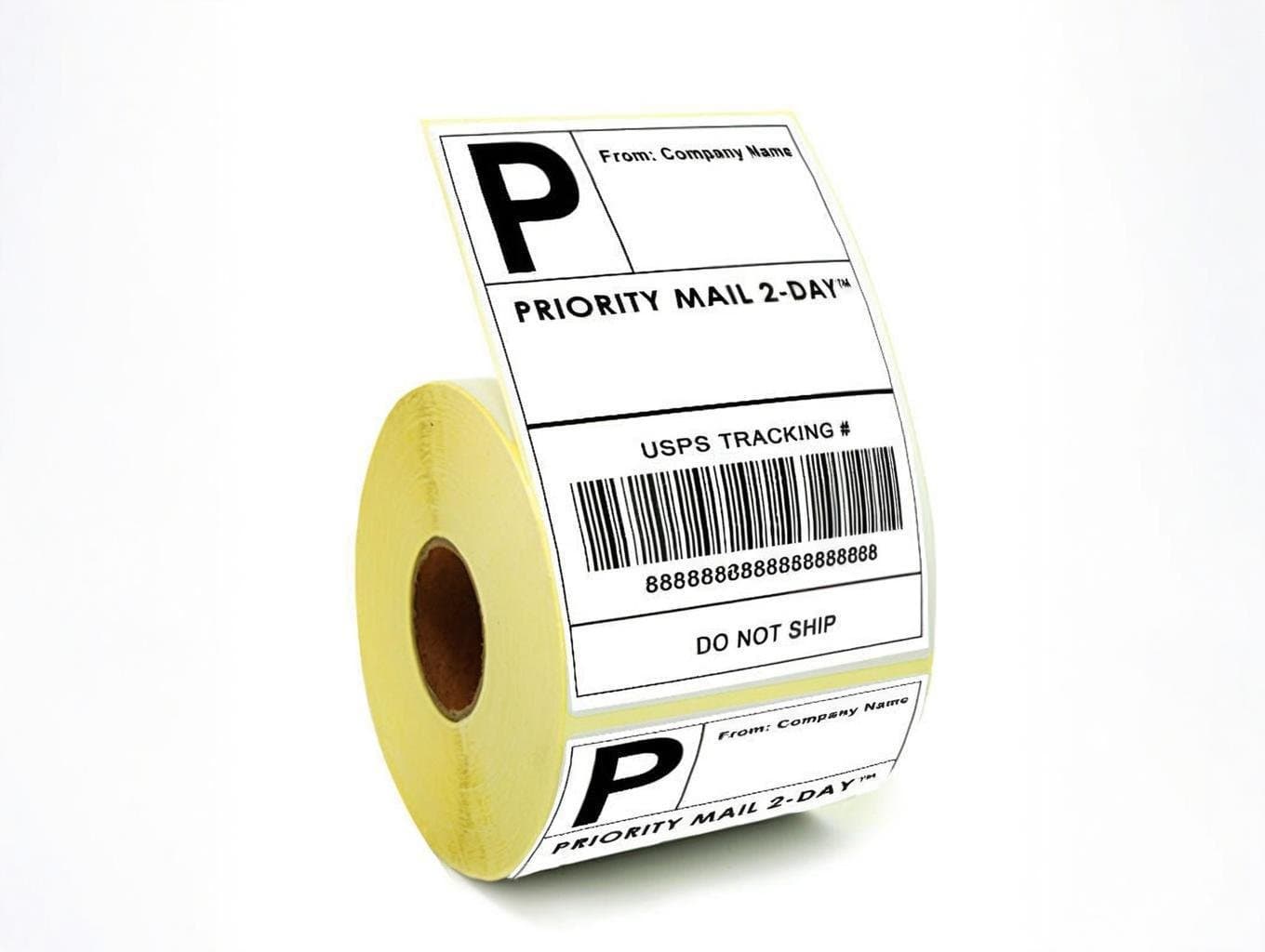
A credible approval record identifies the printer, media construction, barcode design, parcel surface, test conditions, packing and acceptance result. It does not infer compatibility from the 4 x 6 size name or a brand list.
Loading, feeding, sensing and cutting result on the intended printer and supply format
Thermal print contrast and barcode or QR result using the intended content, DPI and scanner
Adhesion result on the actual parcel surface after the required dwell and handling route
Die-cut position, gap, liner, count, winding or fanfold-stack and carton verification
Approved material, packing, SKU and change-control reference for repeat orders
Carrier acceptance, printer compatibility, scan performance, adhesive performance, image life, chemistry, sourcing and regulatory statements are separate claims. Confirm each one for the exact product, equipment, application, document and destination scope.
Request quote
Send product, size, quantity and destination through the contact page or WhatsApp.
Sourcing FAQ
Short answers on printer fit, adhesive, samples, packing, and repeat orders.
It describes a nominal 4 by 6 inch face size, equal to 101.6 by 152.4 mm. It does not confirm core, OD, roll or fanfold format, gap, face stock, adhesive, liner, label count, printer fit or packing.
No. Confirm the printer model, DPI, sensing, roll holder or fanfold path, core, maximum OD, winding and media construction. Use the printer documentation, current approved media or a sample test as the fit reference.
Choose from the printer feed route, available space, changeover frequency, daily throughput, operator workflow and packing preference. Confirm the exact roll build or fanfold stack before ordering.
Identify the parcel surface, application temperature, service temperature, dust, moisture, condensation, dwell time and handling route. Test the selected adhesive on the actual carton, mailer or film when performance risk matters.
Print the real code design using the intended printer, DPI, speed and energy, then scan it with the actual workflow. Record code size, quiet zone, contrast and acceptance method with the sample result.
Send the printer and DPI, roll or fanfold format, core or stack, OD, winding, sensing, face stock, adhesive, parcel surface, label count, quantity, packing, destination and sample requirement.
Private-label roll, stack, inner-pack and carton requirements can be reviewed after the product construction, artwork versions, count, destination labels and repeat-order controls are defined.
Sample testing is recommended when the printer, feed format, barcode design, parcel surface, adhesive, cold conditions or packing construction is new or creates material risk.
The minimum order depends on the material, adhesive, roll or fanfold construction, artwork, packing and destination. Send the estimated quantity by SKU so the production and packing basis can be confirmed.
Timing depends on the approved construction, sample scope, artwork, quantity, packing and destination. Include the requested delivery window in the RFQ for an order-specific schedule.
Related programs
Compare these routes when you need another format, printed branding, or a logistics program.
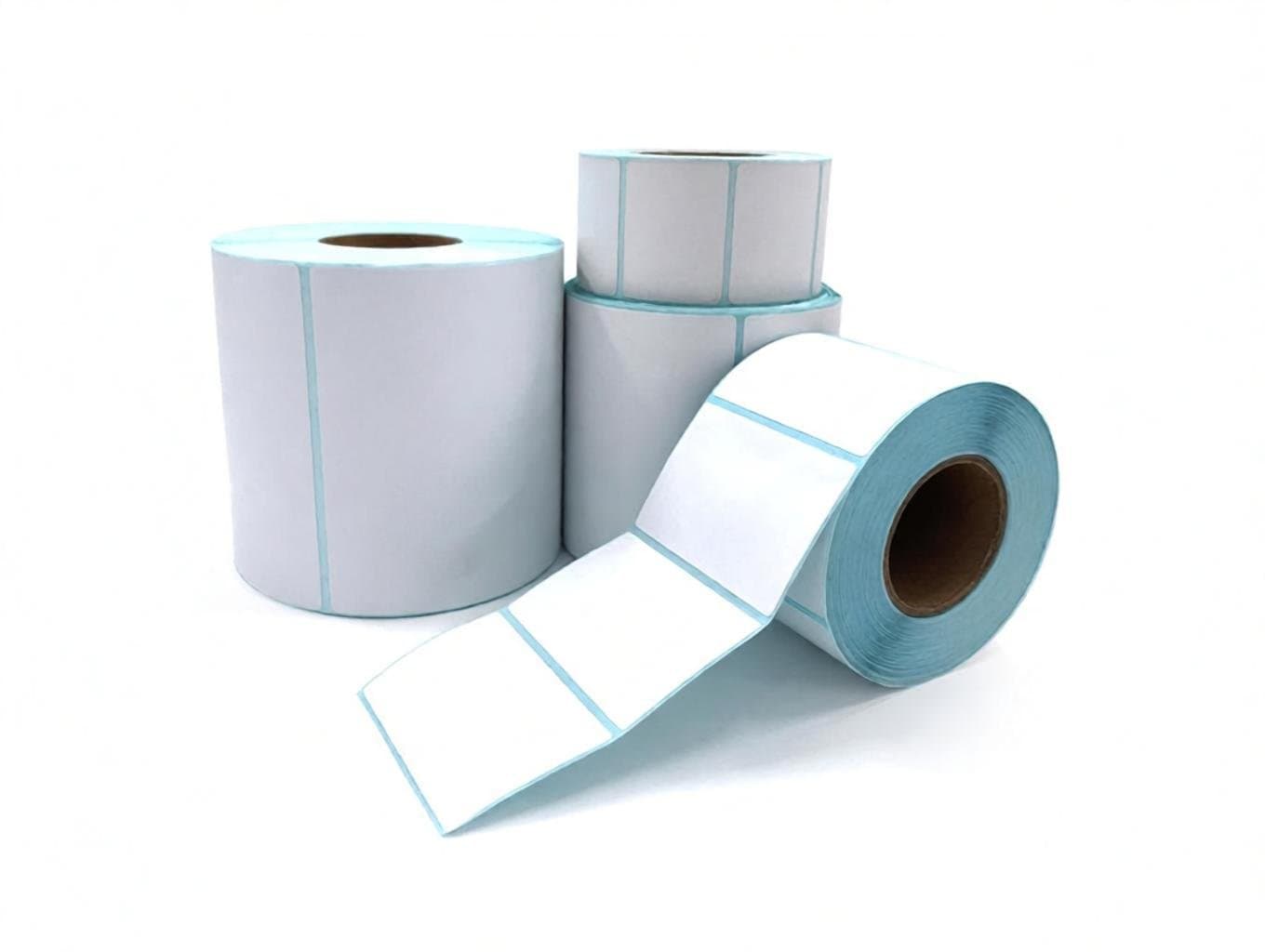
Broader fulfillment range
Review roll and fanfold parcel labels by printer, throughput, parcel surface, adhesive, packing and replenishment workflow.
Best for 3PL and warehouse buyers comparing multiple supply formats or site requirements.
View shipping-label programs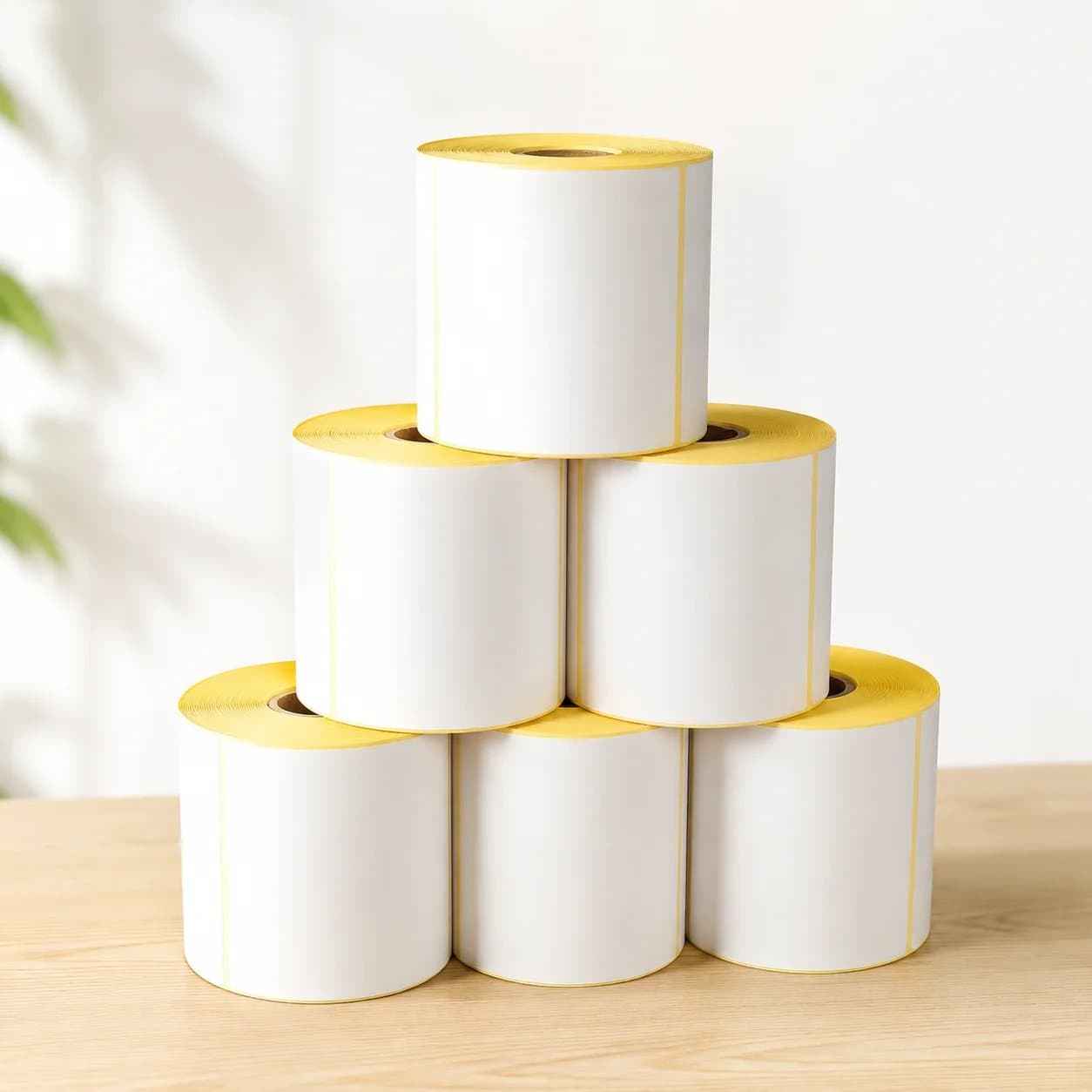
Variable-data workflow
Source SKU, carton, pallet, warehouse and asset labels by data, printer, surface, environment and scan workflow.
Best when the project extends beyond parcel labels into warehouse and inventory identification.
Review barcode-label programs
OEM & private label
Develop preprinted labels, roll identification and channel packing from approved artwork and application requirements.
Best for distributors, private-label brands and multilingual packing programs.
Explore custom printed labels