
E-commerce fulfillment
Parcel labels for marketplaces, stores and carrier handoff.
Confirm: printer, carrier format, scan workflow, label count and carton or mailer surface
Review shipping labels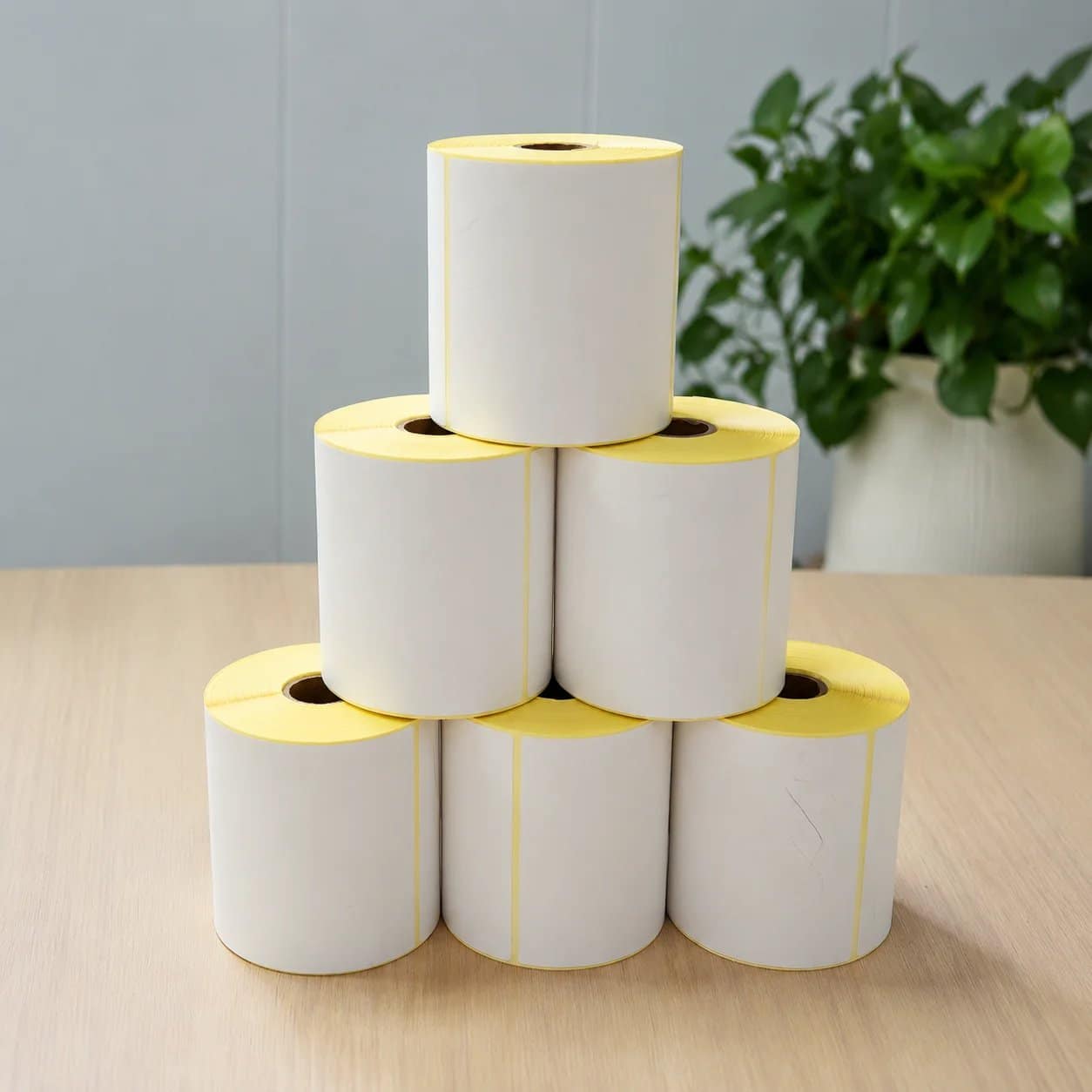
Use this category guide to choose a shipping, barcode, blank, custom-printed or linerless route before opening the application or exact-size page.
6 routes
Distinct product families
6 sizes
Popular stock formats
4 inputs
Core qualification path
B2B
Bulk and OEM review
Quick quote brief
Product
Name the product or share a current sample.
Specification
Add the size, material, printer, or use case.
Order
Give the quantity and delivery country.
Label routes
Use this overview to separate shipping, barcode, blank, product-packaging, custom-printed and linerless needs. Each child page then owns its narrower workflow or specification.
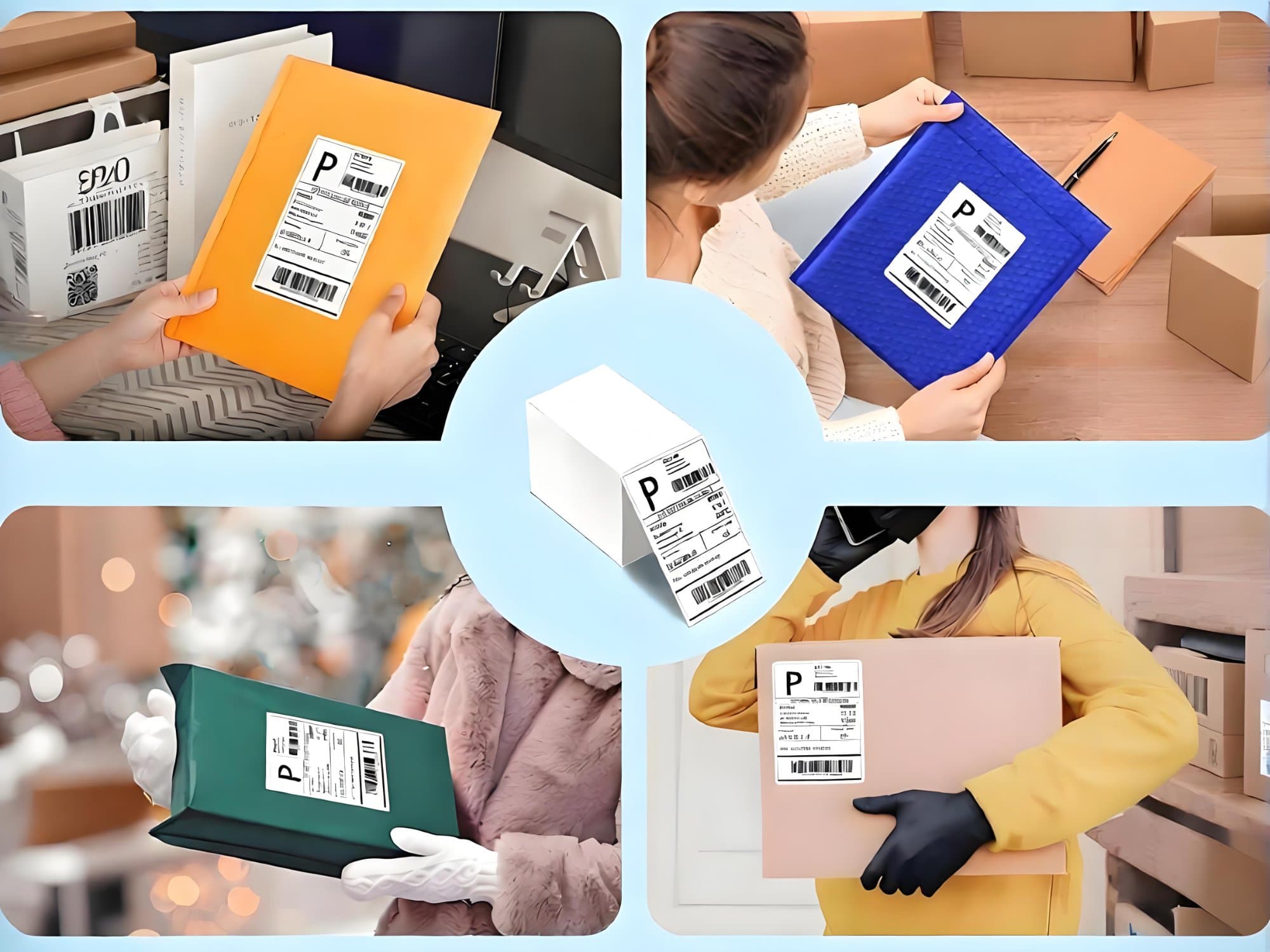
Stock and custom supply
Roll and fanfold labels for parcel, courier, marketplace, 3PL and warehouse shipping workflows.
Confirm printer model, 4x6 or other format, core or fanfold stack, label count and carton surface.
Browse shipping labels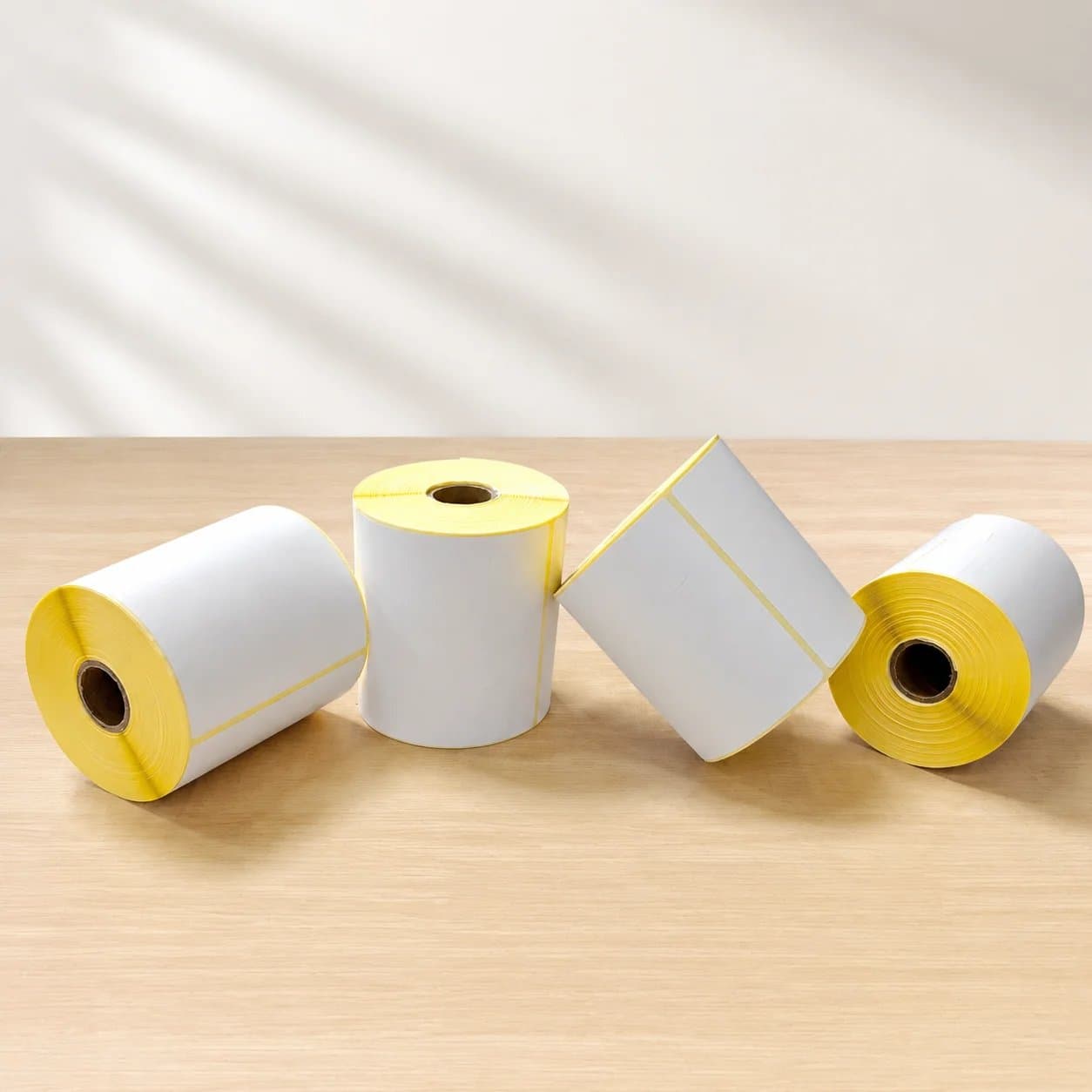
Stock range
Unprinted roll and fanfold labels selected by printer, size, surface and environment.
Browse blank labels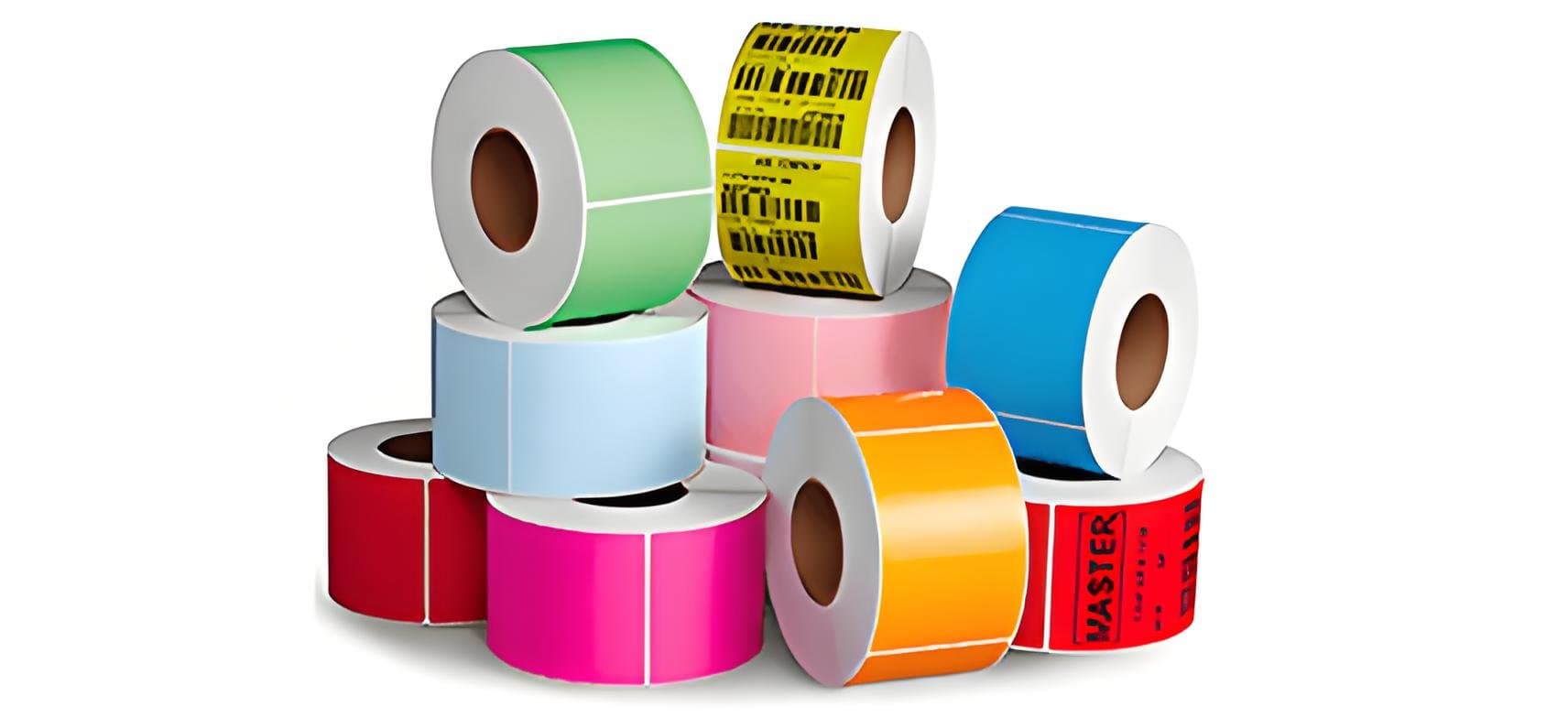
Packaging application
Labels selected for retail products, branded packaging, container surfaces and manufacturing workflows.
Review packaging labelsCustom program
Pre-printed logos, fields, warnings, codes and multilingual content with repeat artwork control.
Review custom printing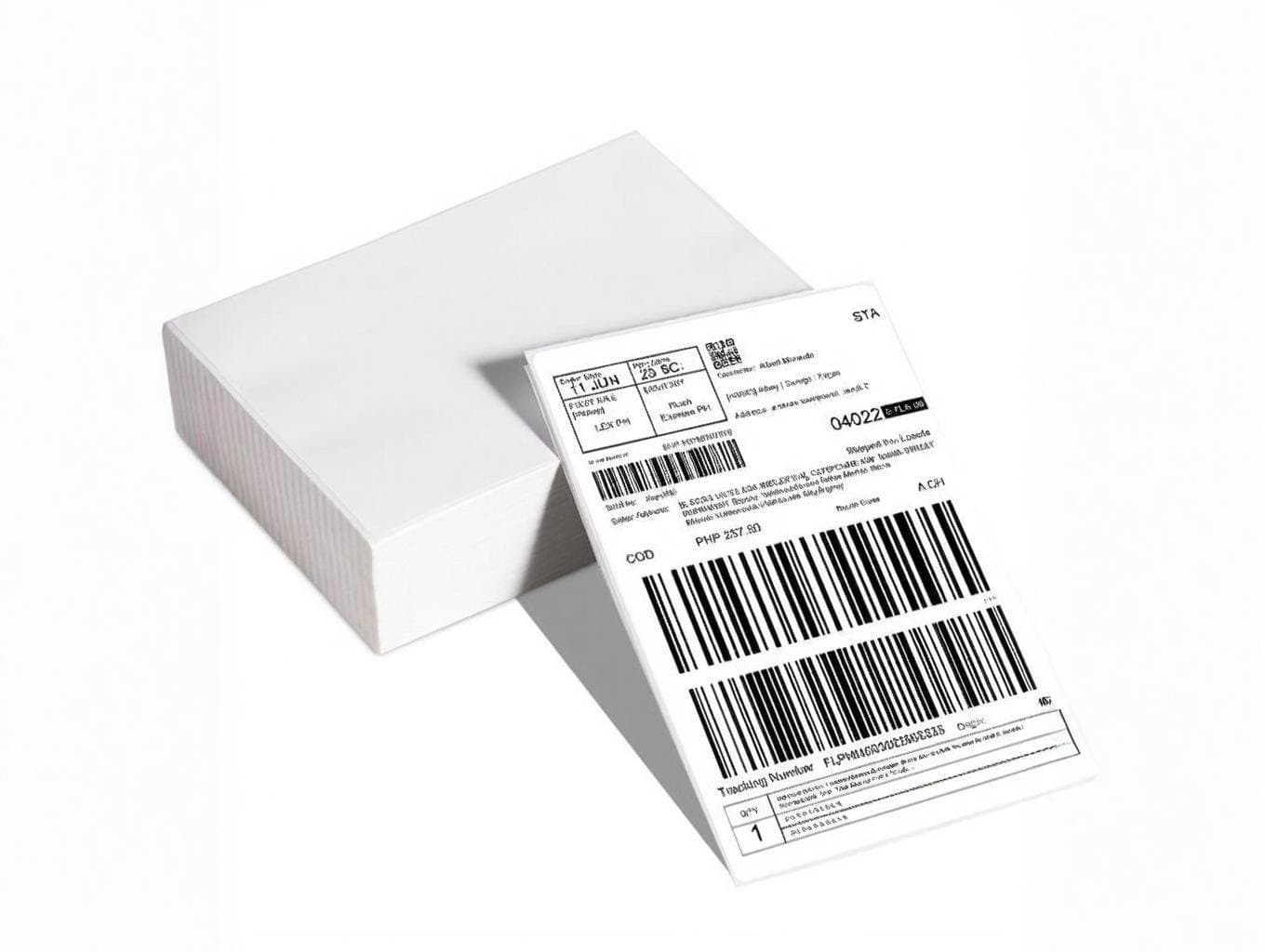
Printer-specific
High-contrast SKU, FNSKU, UPC, EAN, QR and 2D-code label programs.
Browse barcode labels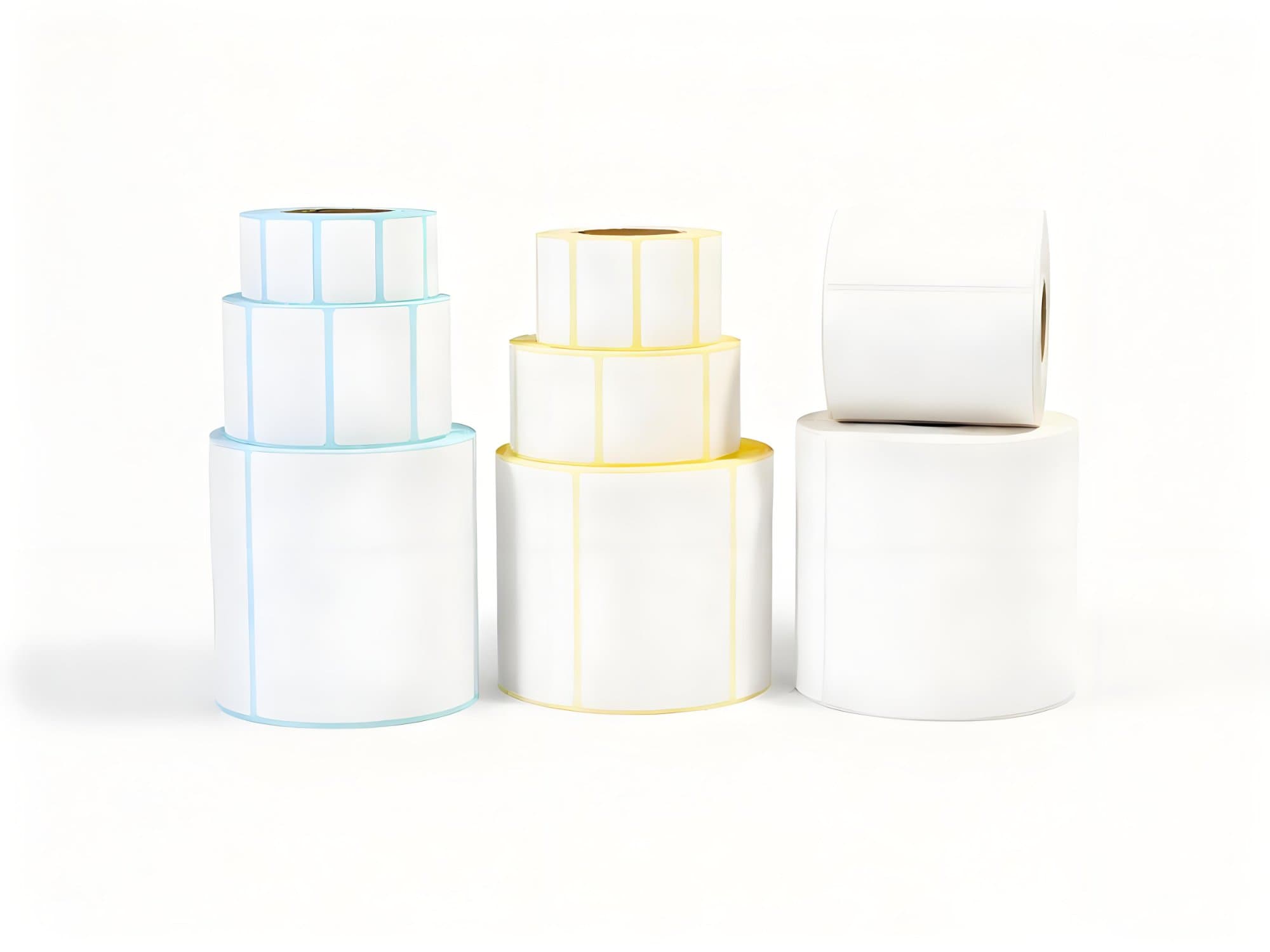
Specialty format
Continuous direct-thermal media supplied without a release liner for compatible equipment.
Browse linerless labels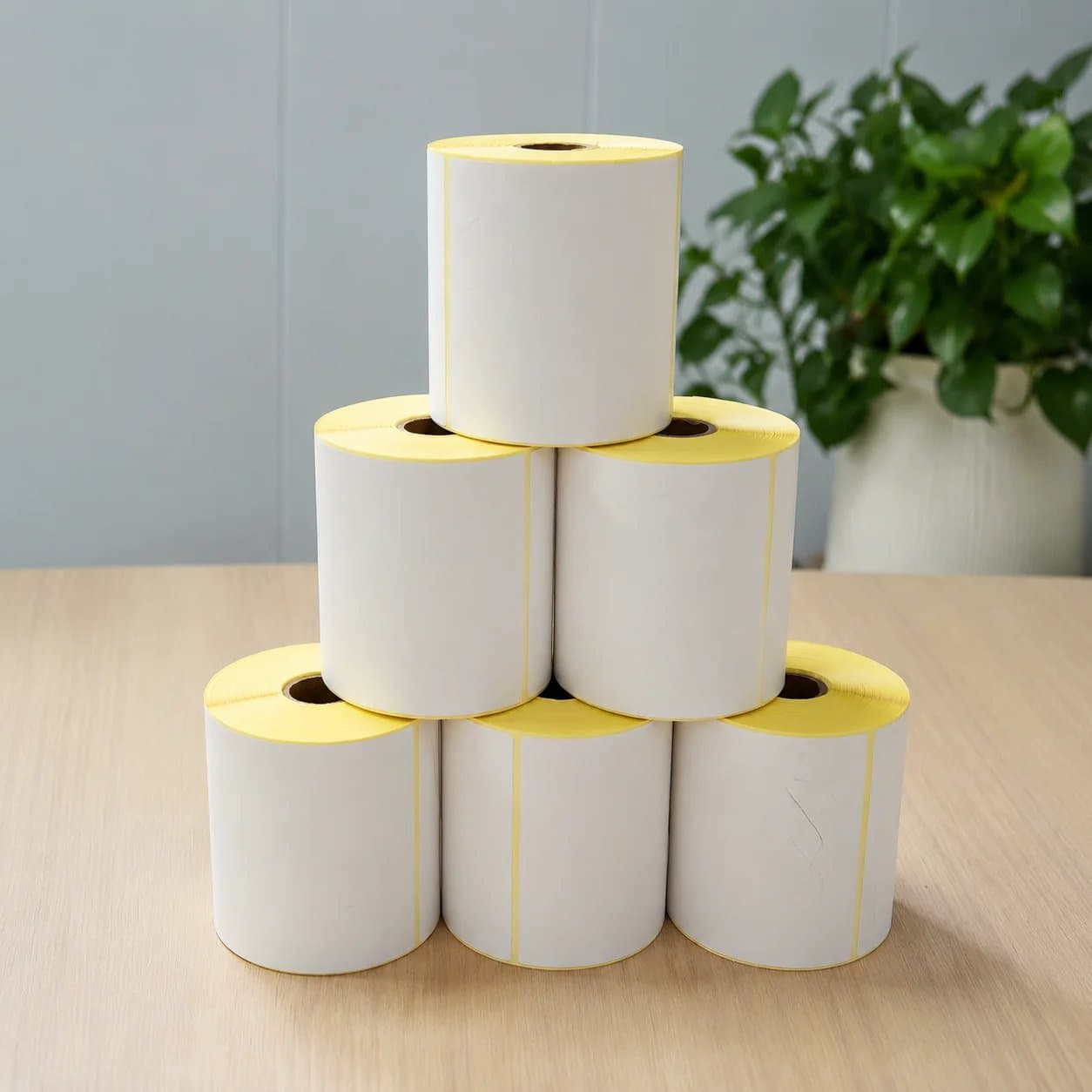
Specification route
Compare six frequently requested inch formats before opening the individual specification page.
Compare stock sizesPopular specifications
The size page confirms the exact construction. Application pages remain responsible for shipping, barcode and packaging workflow decisions across multiple formats.
Parcel and carrier shipping
View specificationSKU, FNSKU and small barcodes
View specificationProduct and inventory labels
View specificationCarton and square-format labels
View specificationAddress and routing labels
View specificationCompact item identification
View specificationApplication routes
Start with the printer, surface and operating condition, then move to the application page that owns the shipping, scanning, packaging or traceability task.
Parcel labels for marketplaces, stores and carrier handoff.
Confirm: printer, carrier format, scan workflow, label count and carton or mailer surface
Review shipping labels
Roll or fanfold supply for high-volume receiving, picking and dispatch.
Confirm: printer fleet, scan distance, change frequency, pallet labels and replenishment plan
Plan a warehouse program
Labels reviewed for food packaging, moisture, grease, condensation and low temperature.
Confirm: actual container, application temperature, service temperature, dwell and removal behavior
Review blank label options
Short- or longer-term identification selected from the real print and handling workflow.
Confirm: printer, substrate, retention period, abrasion, code size and required evidence scope
Discuss a healthcare program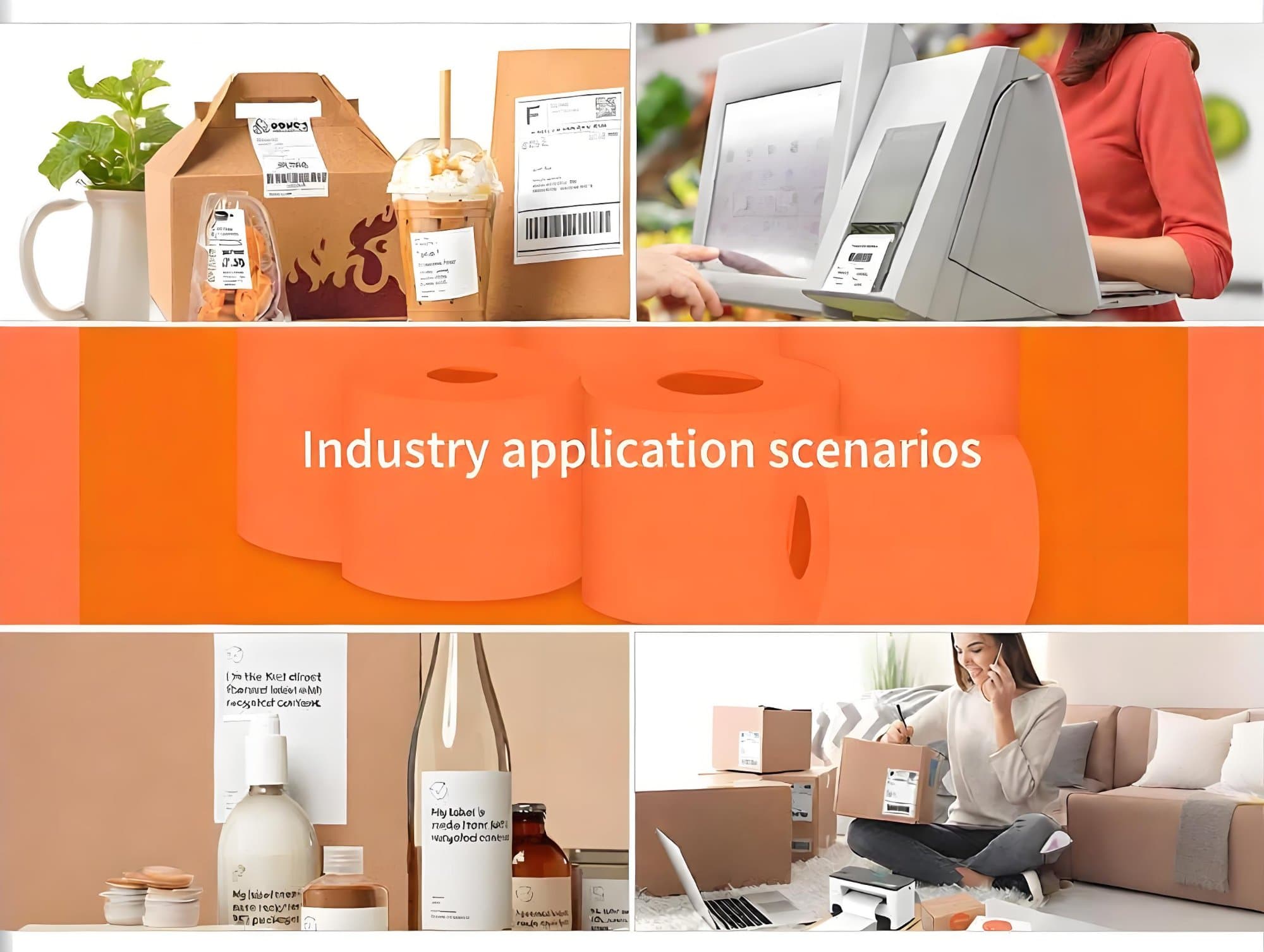
Thermal-transfer constructions for assets, components and demanding handling conditions.
Confirm: ribbon, face stock, surface, abrasion, chemicals, temperature and required service life
Review an industrial label
Custom labels and private-label packing aligned with destination and channel requirements.
Confirm: artwork versions, language, document scope, carton marks, destination and repeat-order control
Plan a custom programFour-step selection
Confirm equipment and dimensions before selecting the surface, material and adhesive route used for sample approval and repeat supply.
Identify the exact desktop, industrial, scale or linerless-ready device.
Define the finished label and roll or fanfold construction.
Test the real package, temperature and handling conditions.
Select the construction only after the first three inputs are known.
Qualification and evidence
A reliable label program records the equipment, material, adhesive, print result, application test, artwork, packing and acceptance criteria. A general product name is not enough evidence for compatibility or compliance.
Feed, sensing, cutting, print density and roll construction in the intended device.
Contrast, quiet zone, code size, die-cut position and scan result in the real workflow.
Surface, preparation, temperature, dwell, bond and removal behavior.
Exact material code, document issuer, subject, date, destination and evidence scope.
BPA-free, BPS-free, phenol-free, FSC, REACH, food-contact and other statements are separate scopes. Confirm the selected material and applicable document before publishing or approving a claim.
Sourcing FAQ
Use these answers to prepare the printer, application and order information needed for a useful quotation.
Direct thermal media forms an image through a heat-sensitive coating and does not use a ribbon. Thermal transfer uses a ribbon and can support longer-life or more demanding applications when the face stock, ribbon and environment are correctly matched.
4 x 6 inch roll or fanfold labels are common, but the correct construction still depends on the printer, core or stack, label count, carrier format, carton or mailer surface and warehouse conditions.
Send the exact printer model, DPI, print method, label width and height, gap or mark, core, maximum roll diameter, winding and feed direction. A printer test is the best approval basis for a new construction.
Identify the real surface, surface energy, application temperature, service temperature, moisture, grease, dwell time and removal expectation. Test the proposed adhesive on the actual package before a bulk order when failure carries operational risk.
The required evidence can be reviewed after the exact material and destination are known. Confirm the statement, document subject, issuer, date and evidence scope for the selected order material rather than relying on a general catalog claim.
Fanfold can reduce roll changes in some high-volume desktop workflows. Confirm the sheet size, gap, perforation, stack count, fold direction, printer feed path and carton protection before approval.
Private-label programs can include roll labels, bags, cartons and pallet marks after the product specification, artwork versions, pack quantity, destination labels and repeat-order controls are defined.
They depend on the material, size, print coverage, number of artwork versions, packing, quantity and destination. Send the complete requirement and requested delivery window for an order-specific review.
B2B thermal label review
Send your product, size, quantity and destination through the contact page or WhatsApp.
Related product programs
Continue with a defined product route.