ISO 9001 Certified|Global Shipping|Wholesale & OEM Supply
B2B blank-label selection
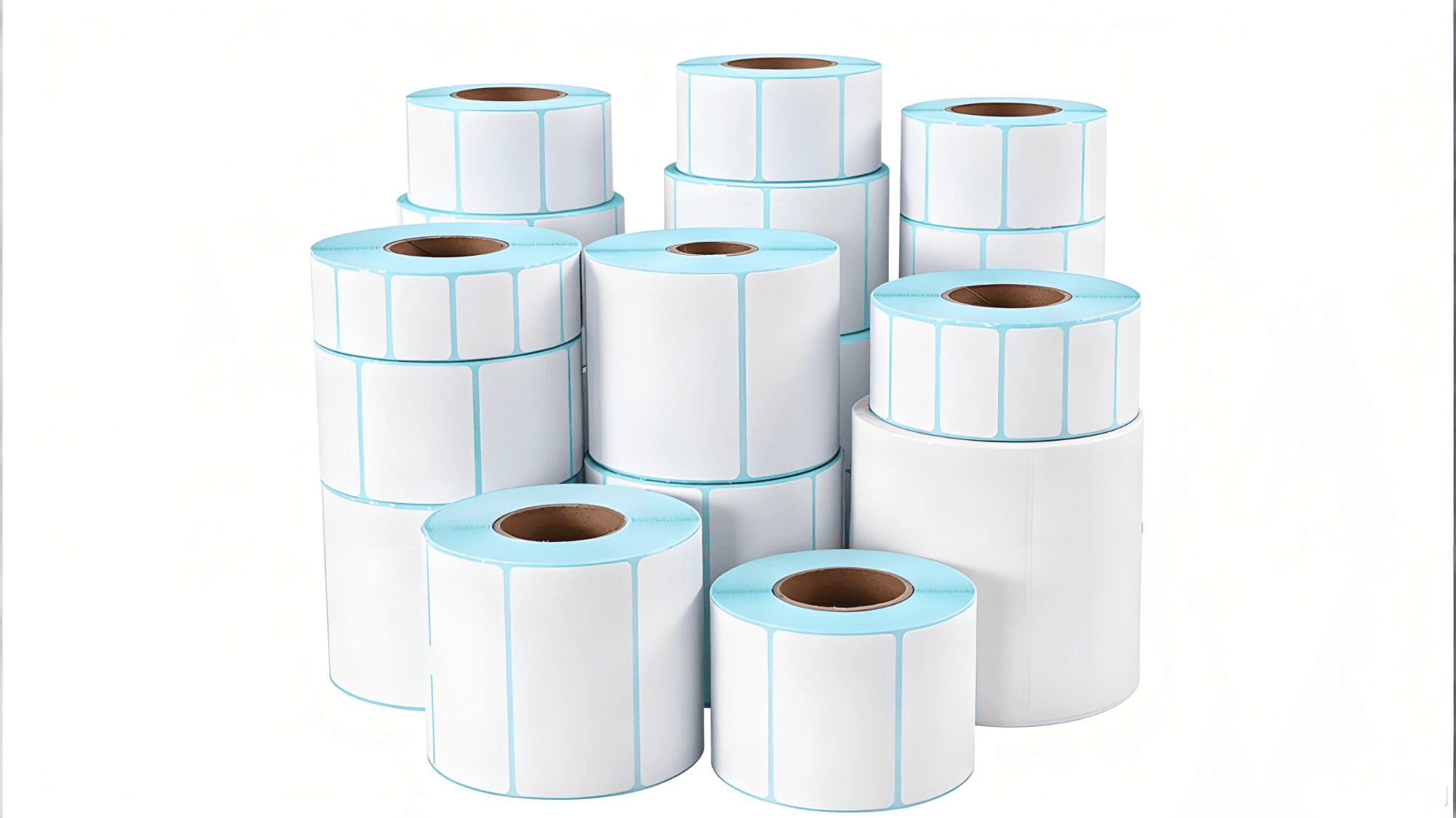
Blank Thermal Labels Built Around Printer, Surface & Use
Start with the printer and data job, then qualify face stock, adhesive, liner, sensing, roll build, application surface, environment and sample criteria before comparing supply options.
Roll and fanfold reviewDirect thermal and transfer workflow checkSurface and adhesive qualificationSample, packing and repeat control
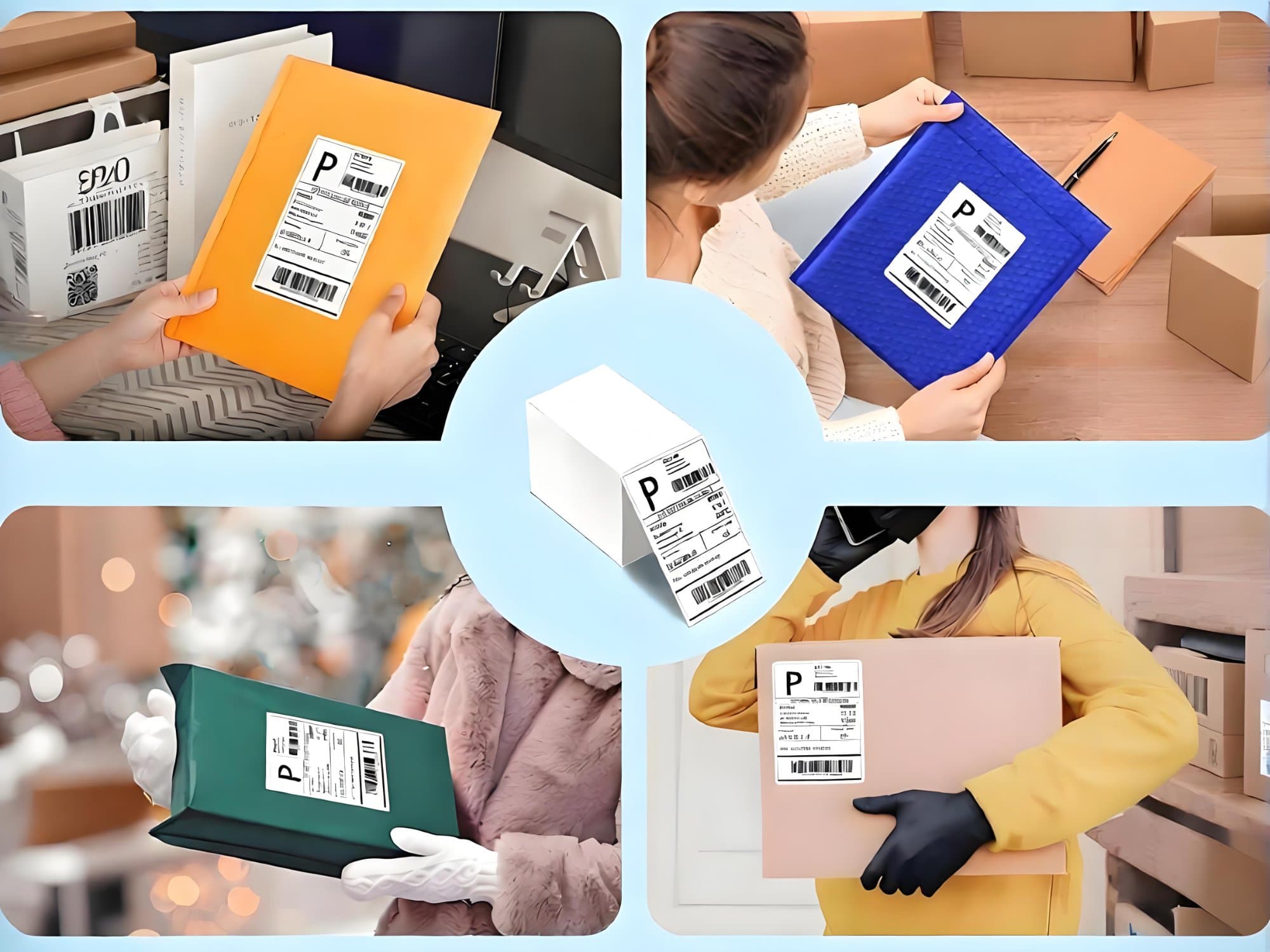
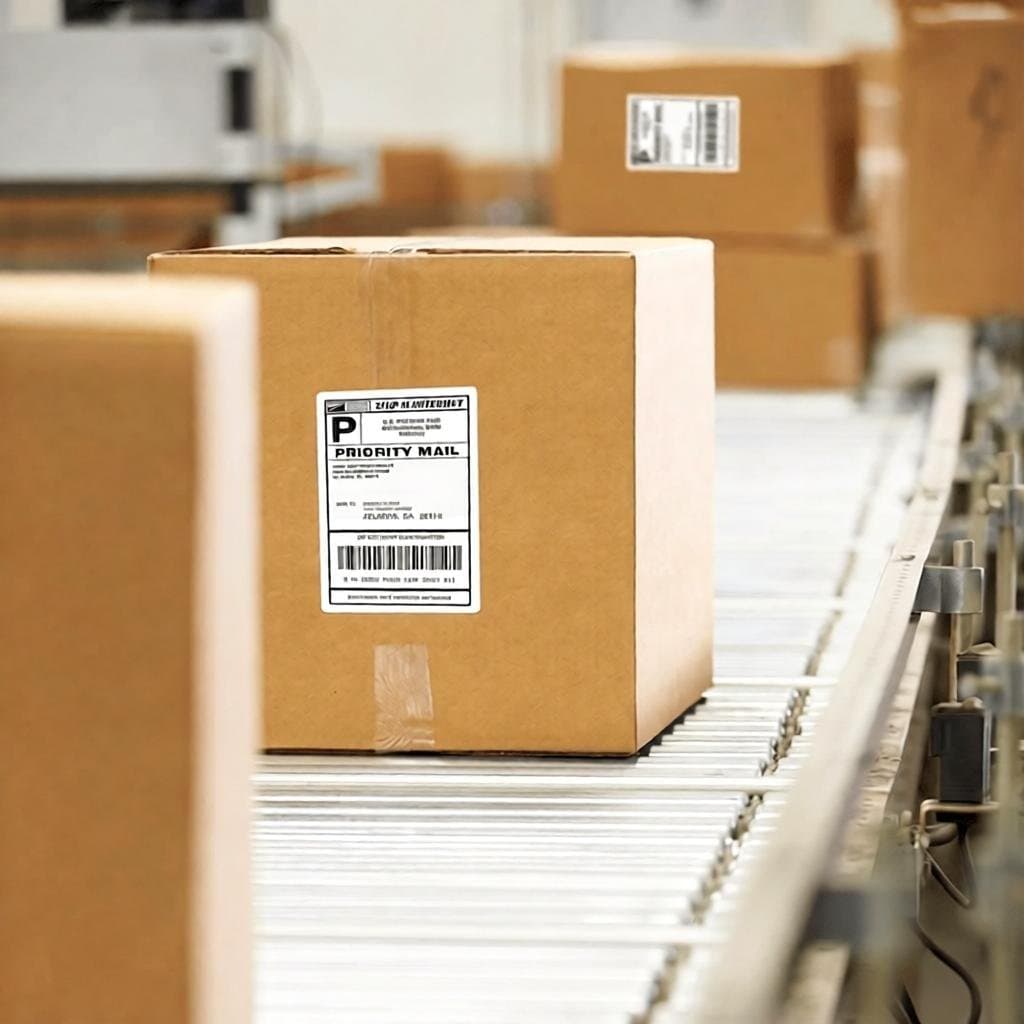
A shipping label, shelf label, freezer label and component label can share a size but require different print methods, surfaces, exposure checks, roll builds and acceptance tests.
Use size to start the review, not finish the specification
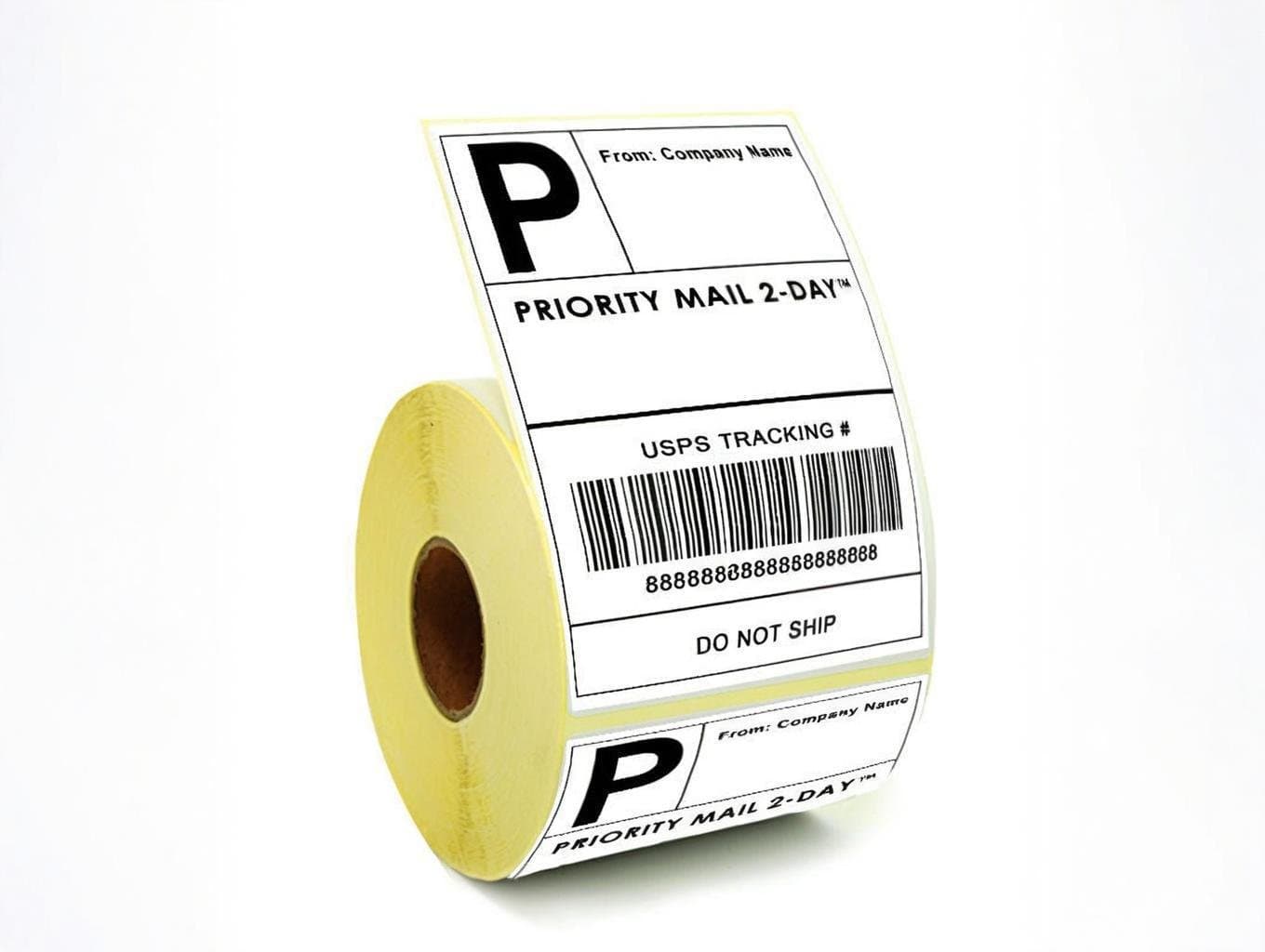
Printer fit also depends on gap or mark, liner width, core, maximum roll diameter, winding, label count and whether the supply format is roll or fanfold.
Define the inputs that decide material, adhesive and printer fit
Equipment and data come first, followed by the actual surface and environment. Select the construction only after those conditions are known, then validate the sample and repeat controls.
01
Printer, data & sensing
Start with the equipment and information the blank label must carry.
Printer model, DPI and print method
Barcode, text, date, batch or other data
Gap, black mark, notch or continuous sensing
02
Surface & environment
Describe where the label is applied and what it experiences during service.
Actual substrate, texture, curvature and cleanliness
Application and service temperature
Moisture, condensation, grease, chemicals and abrasion
03
Material & adhesive
Select the face stock, adhesive and liner against the defined job rather than a generic label name.
Direct thermal paper or transfer-printable construction
Paper or film face stock and required service life
Permanent, removable, high-tack or condition-specific adhesive
04
Roll build, sample & repeat
Validate printer loading and application, then record the approved supply reference.
Finished size, liner width, core, roll OD or fanfold stack
Winding, label count, perforation and packing
Sample test, quantity by SKU and reorder reference
Evidence before bulk and repeat supply
Test the proposed label in the real print-and-apply workflow
A nominal size or adhesive name does not prove printer fit or application performance. The useful evidence connects the exact construction to the real printer, surface, environment, data and acceptance method.
Printer and roll fit
Confirm media width, sensing, core or stack, maximum OD, winding, feed path, print density and cutting or tear-off behavior.
Surface and adhesion
Apply the sample to a representative substrate under the expected cleaning, temperature, pressure, dwell and removal conditions.
Print and scan result
Test the real data, barcode size, quiet zone, contrast, scanner, distance and handling after the agreed storage or exposure period.
Packing and traceability
Record the approved face stock, adhesive, liner, roll build, SKU, carton marks, lot reference and change-control process.
Printer compatibility, temperature resistance, chemical resistance and service life depend on the complete label construction and test conditions. They should not be inferred from the category name alone.
Sourcing FAQ
Answers before the specification review
Use these answers to prepare the printer, application and order information needed for a useful quotation.
01What information is needed for a blank thermal label quotation?
Send the printer model and DPI, print method, finished label size, gap or mark, core and maximum roll diameter or fanfold stack, winding, face stock, adhesive, liner, quantity, packing and destination. Also describe the actual surface and environment.
02How do I know whether a blank label will fit my printer?
Match the media width, label size, liner width, sensing method, core, maximum roll diameter, winding and roll or fanfold format to the printer specification. A representative sample should be loaded and printed when downtime or scan failure creates risk.
03Which adhesive should I choose?
Choose from the actual substrate, surface energy, texture, curvature, cleanliness, application temperature, service temperature, dwell time, moisture, chemicals and removal expectation. Test the proposed construction on the real surface rather than selecting by adhesive name alone.
04Can blank thermal labels be used in freezers or high-temperature processes?
Condition-specific constructions can be reviewed, but no single temperature range applies to every label. Confirm whether the quoted temperature is for application, service or short exposure, plus the surface, duration, condensation, pressure and pass criteria before testing.
05Should I use direct thermal or thermal transfer labels?
Direct thermal suits defined ribbon-free workflows. Thermal transfer uses a matched ribbon and may suit longer retention or demanding handling. Decide from the printer, required life, abrasion, heat, moisture, chemicals, surface and test result.
06Can you provide distributor or private-label packing?
Yes. Neutral or private-label inner packs, roll IDs, carton copy, SKU separation and pallet marks can be reviewed. The final configuration depends on size, roll build, quantity, sales channel and destination.
Quote-ready blank-label RFQ
Send the inputs that decide printer fit and adhesion
Send your product, size, quantity and destination through the contact page or WhatsApp.