Printer and roll review
Confirm printer model, width, outer diameter, core, winding, paper basis, length basis and cutting or feeding requirements.
Buyer value: Reduces loading, feeding and premature roll-change problems before scale-up.
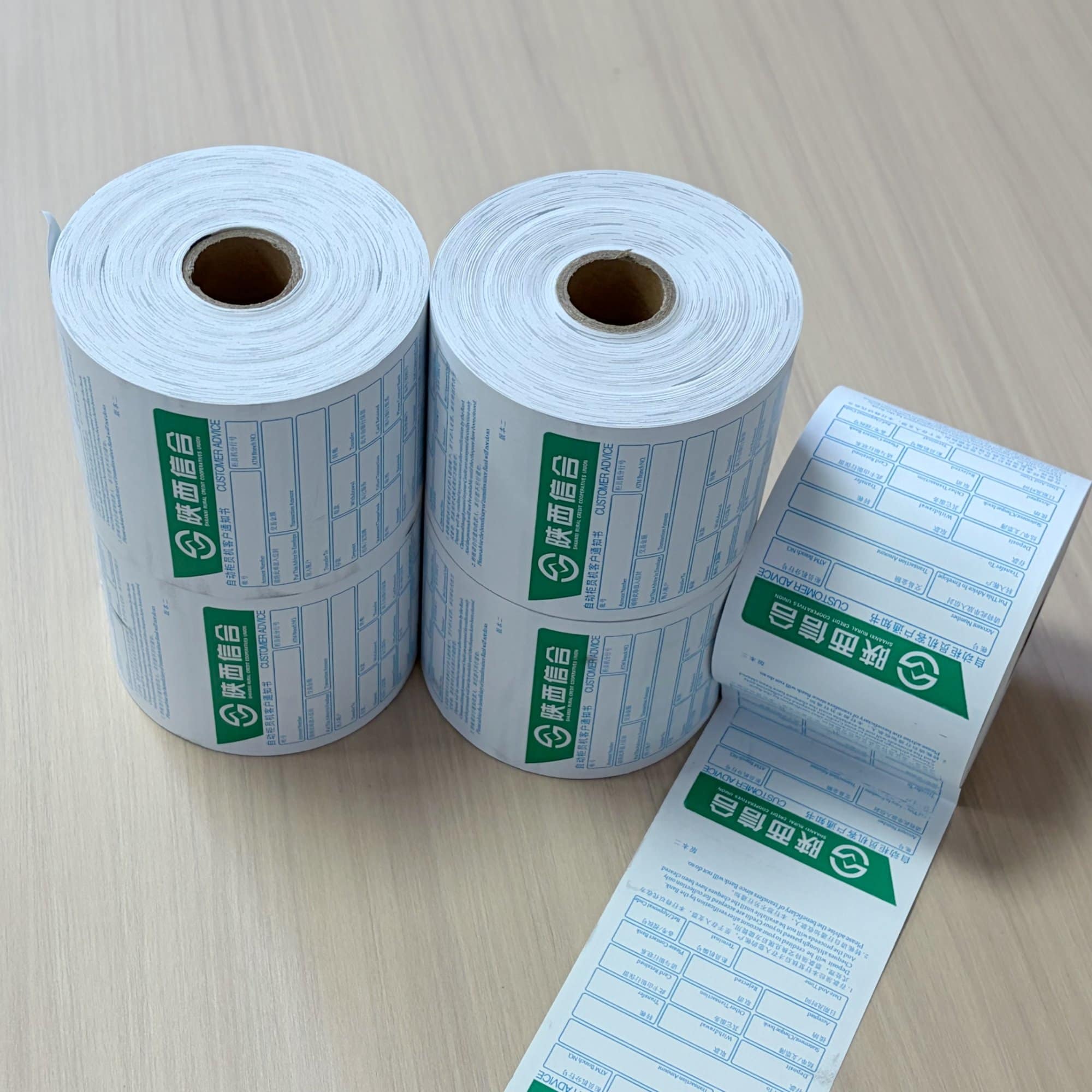
For POS distributors, retail groups and Italy-focused 80x80x12 programs. Compare real meterage, paper basis, core, thermal grade, carton configuration and order documentation on the same specification.
Nominal format
80 mm x 80 mm
Printer qualification
Model, width, core, maximum OD, feed and cutting review
Buyer fit
POS distributors, supermarket groups, hospitality suppliers and Italy 80x80x12 programs
Order control
Approved roll, packing and repeat-order specification
Fast specification check
Equipment
Name the printer or share the current item.
Use
Tell us where and how the product is used.
Order
Add the quantity and delivery country.
Product fit
80 mm x 80 mm is a widely used full-width POS receipt format and can be configured for 12 mm or other approved cores. A size name such as 80x80x12 still does not prove real meterage, paper basis, thermal grade or document scope, so these values must be frozen before comparing bulk quotations.
B2B buying answer
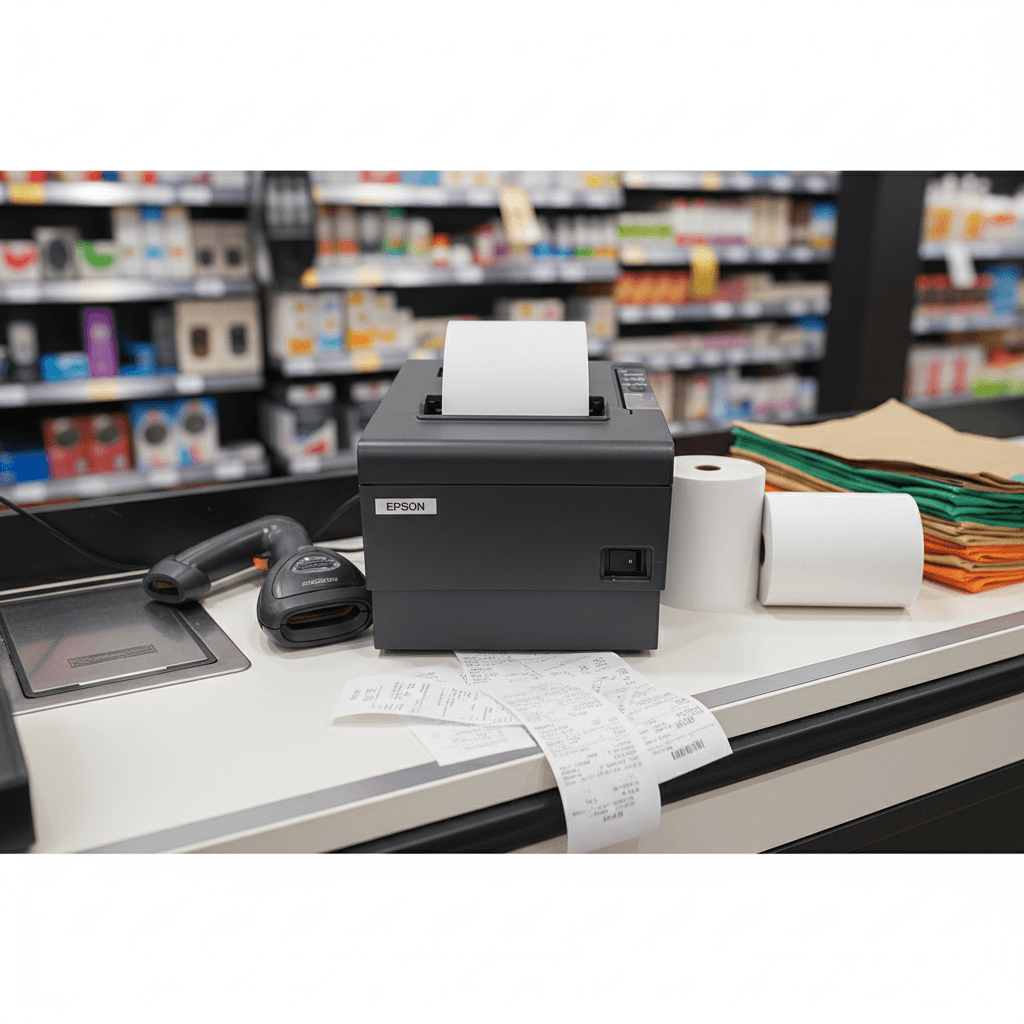
Use these inputs to confirm the roll, printer, adhesive and application before comparing supply offers.
Send the exact printer or terminal model and its media specification.
Confirm width, maximum outer diameter, core inner diameter and winding requirement.
Define paper basis, nominal or measured roll length, print-life requirement and storage conditions.
Provide quantity, carton preference, private-label artwork, destination and requested delivery window.
B2B supply program
A repeatable supply program connects printer fit and paper performance with carton packing, private-label requirements, logistics and change control. Commercial terms are confirmed against the final specification.
Distributors and importers building a receipt-paper range
Private-label brands requiring roll, carton and pallet identification
Retail, hospitality and service groups standardizing media across locations
Procurement teams qualifying an alternative or second source
Confirm printer model, width, outer diameter, core, winding, paper basis, length basis and cutting or feeding requirements.
Buyer value: Reduces loading, feeding and premature roll-change problems before scale-up.
Define base paper, thermal sensitivity, caliper, print density, storage and any documented chemical or regulatory requirement.
Buyer value: Keeps print performance and published claims tied to the selected material.
Review roll wrapping, labels, carton quantity, artwork versions, pallet marks, moisture protection and destination labels.
Buyer value: Creates a channel-ready packing reference for each SKU and market.
Freeze the approved material, dimensions, length basis, core, winding, artwork, packing and change-confirmation reference.
Buyer value: Makes repeat deliveries easier to compare, receive and investigate.
Minimum order, sample scope, production timing, packing options and documentation are confirmed after the final roll specification, quantity, artwork and destination are reviewed.
Risk control
A size name does not define a production order. Confirm loading, cutting, adhesion, printing, scanning, packing, and repeat supply.
A matching width does not prove that the outer diameter, core, winding, paper thickness or printer compartment is compatible.
Review response
Review the exact printer model and current roll, then confirm width, core ID, maximum OD, winding and feed or cutting requirements.
Rolls with the same outside dimensions can contain different lengths because paper basis, caliper, core and measurement method differ.
Review response
Record the paper basis, core, nominal or measured length, tolerance and verification method in the approved specification.
Heat, light, plasticizers, oils, moisture and storage conditions can affect thermal image stability.
Review response
Define the real retention and storage requirement, select the material accordingly and confirm any performance statement against supporting evidence.
BPA-free, BPS-free, phenol-free and other claims are not interchangeable and may apply only to a specific paper grade or document scope.
Review response
Name the required statement and destination, then verify the exact material code, issuer, subject, date and scope before approval.
Carton count, pallet height and container loading change with roll build, wrapping, pallet standard and route constraints.
Review response
Use the published figures as a reference packing plan and confirm the final carton, pallet and loading calculation with the approved roll.
Uncontrolled paper, core, length, winding, carton or artwork changes can create printer and receiving complaints.
Review response
Freeze an approved master specification and require confirmation before a material, dimension, artwork or packing change.
Specification
Use these fields to compare quotes. Put the final tolerance, material, packing, and test scope in the approved specification.
Confirm these values against the printer manual, current roll or an approved physical sample.
Legacy reference tolerance: +/-0.5 mm; confirm on the order specification.
Define real meterage, paper basis and tolerance before quotation comparison.
Confirm actual inner diameter and core material.
Final grade affects length, caliper and weight.
These legacy planning figures are retained for initial logistics discussion and require confirmation against the final roll, carton and pallet standard.
Confirm net/gross basis and the final packing materials.
A comparable quotation needs the same material, packing and delivery basis.
Application
The same roll can behave differently on another surface. Temperature, moisture, grease, and handling can change adhesion. Test the real application.
Full-width receipts for retail, service and restaurant payment workflows.
Confirm: printer model, maximum OD, core, cutter and expected daily volume
Repeat supply for multi-lane operations where roll consistency and replenishment matter.
Confirm: device fleet, real meterage, carton labels, pallet plan and delivery cadence
Market-specific receipt supply built around an approved 80 mm roll and 12 mm core reference.
Confirm: core ID, real length, paper grade, required documents, language and packing
Transaction and itemized receipts across front desk, counter and service locations.
Confirm: printer settings, storage, image-retention requirement and branch distribution
Approval route
Start with the use case and a complete specification. Approve samples and packing before bulk production. Keep the record for repeat orders.
Collect buyer type, printer model, current roll, quantity, packing, destination and requested delivery window.
Review width, core, maximum outer diameter, winding, feed, cutter and current media reference.
Confirm paper basis, thermal response, caliper, length basis, tolerance and required document scope.
Confirm wrapping, roll labels, artwork versions, cartons, pallet marks and moisture protection.
Agree loading, feeding, cutting, print-density and handling checks using the intended printer.
Record the accepted sample, quantity, packing, documents, commercial terms and confirmed schedule.
Use the approved material, dimensions, artwork, packing and change-confirmation reference for replenishment.
Evidence
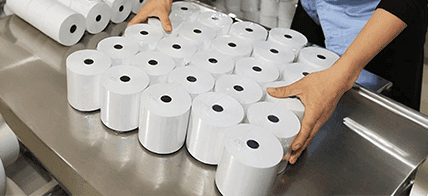
A credible approval record identifies the printer, roll construction, paper grade, test settings, packing and acceptance result. Product, chemical, regulatory and certification claims must match the exact material and document supplied for the order.
Width, core, outer diameter, winding and feed result in the intended printer
Paper basis, caliper and measured or nominal length verification method
Thermal print density and receipt handling under the intended settings
Roll edge, dust, carton protection, pallet condition and arrival review
Approved material, artwork, packing and change-control reference for repeat orders
BPA-free, BPS-free, phenol-free, FSC, ISO, food-contact and regulatory statements are separate evidence scopes. Confirm the exact material, document, subject, date and destination requirement before publishing or approving a claim.
Request quote
Send product, size, quantity and destination through the contact page or WhatsApp.
Sourcing FAQ
Short answers on printer fit, adhesive, samples, packing, and repeat orders.
It describes the nominal roll width and outside diameter. It does not by itself confirm core, paper basis, actual length, winding, thermal grade, tolerance or printer compatibility.
No. Confirm the printer model, maximum roll diameter, core inner diameter, media path, winding and cutter or feed requirements before ordering.
Paper basis, caliper, core diameter, winding and the length measurement method affect how much paper fits within the same outside diameter. Compare the complete roll construction, not the size name alone.
Send the printer model, current roll or specification, width, outside diameter, core, winding, paper basis, required length, quantity, packing, destination and requested delivery window.
Private-label roll wrapping, labels, cartons and pallet marks can be reviewed after the specification, artwork versions, pack quantity and destination requirements are defined.
Sample testing is recommended for a new printer, paper grade, roll construction or supplier. Agree loading, feed, cutting, print density and handling checks before production approval.
No. It is a reference packing plan. Final quantities depend on the approved roll build, carton protection, pallet dimensions, weight limits and shipping route.
The minimum order depends on the paper grade, size, core, artwork versions, packing and destination. Send the estimated quantity so the production and packing basis can be reviewed.
Timing depends on the approved specification, sample scope, artwork, quantity, packing and destination. Include the required delivery window in the RFQ for a feasible schedule review.
Use an approved master specification covering paper, dimensions, length basis, core, winding, artwork, packing and inspection references. Confirm any proposed change before production.
Related programs
Compare these routes when you need another format, printed branding, or a logistics program.
Adjacent roll size
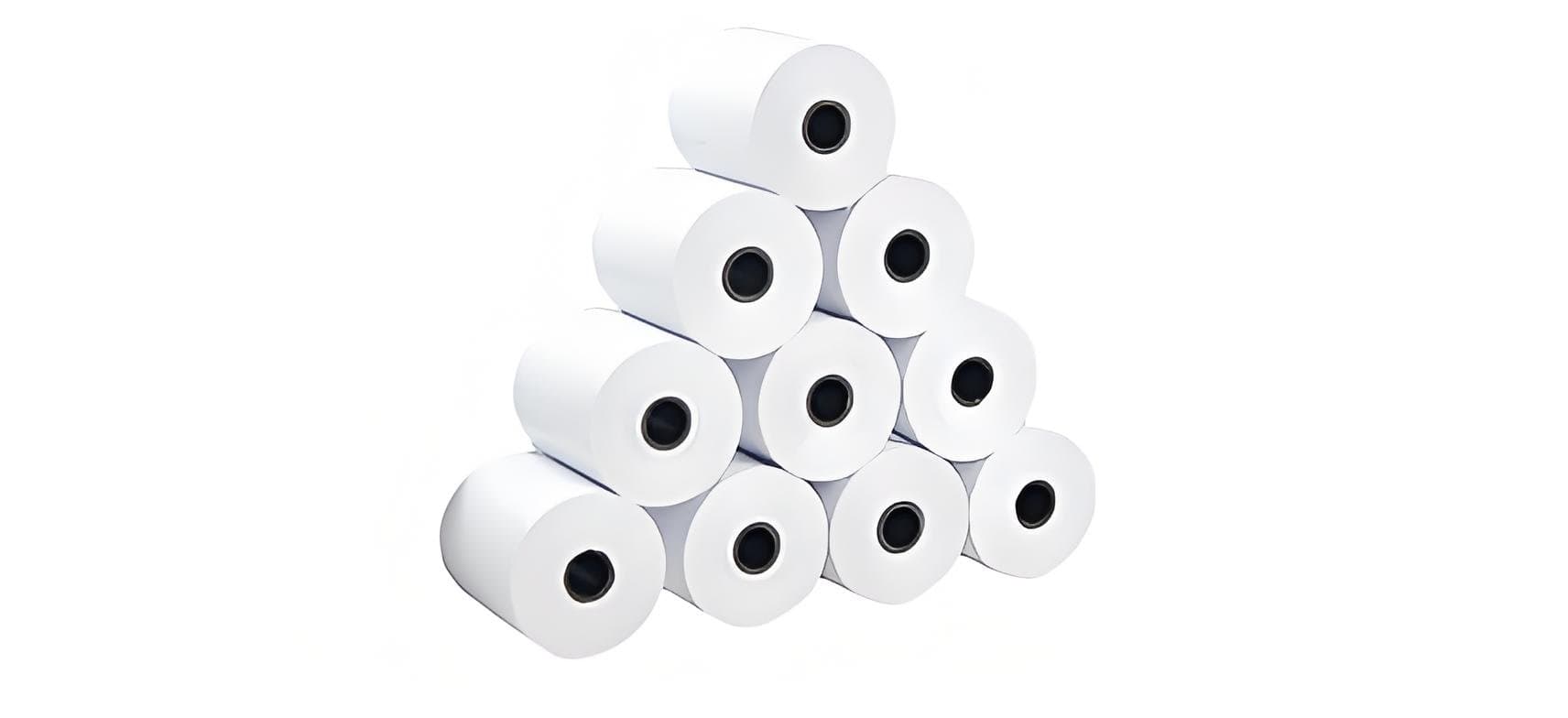
A smaller-diameter 80 mm format for compact POS compartments.
For buyers who need full receipt width with a lower roll profile.
Review 80 mm x 70 mmAdjacent roll size
A wider format for itemized receipts, kiosks and specialist printers.
For programs requiring more printable width than standard POS rolls.
Review 110 mm x 80 mm
OEM and private label
Review back printing, roll wrapping, carton artwork and pallet identification against the approved roll specification.
Best for distributors, retail groups and branded receipt programs.
Explore custom printed rolls