ISO 9001 Certified|Global Shipping|Wholesale & OEM Supply
B2B till-roll catalog
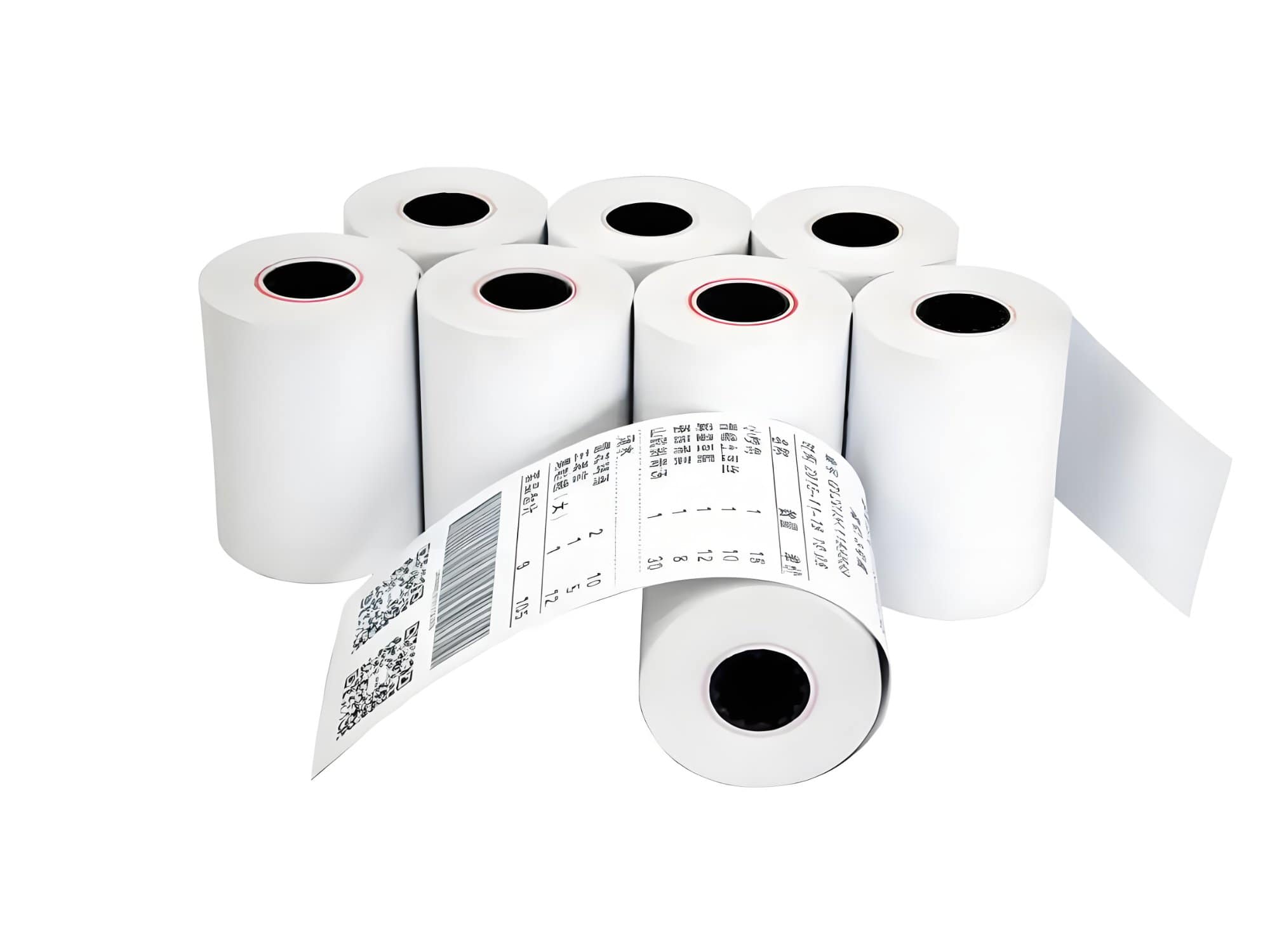
Till Rolls for EPOS, Cash Registers and Card Machines
A till roll needs more than the right width. Confirm the printer, direct-thermal or impact method, maximum roll diameter, length, core, paper grade, image-retention need and packing before approving bulk or repeat supply.
57 mm, 80 mm and specialist widthsPrinter and roll-geometry reviewThermal, plain and multi-ply routesWholesale packing and reorder control
A countertop EPOS terminal, card machine, kitchen impact printer and self-service kiosk can require different print methods, widths, diameters, cores and paper grades. Start with the actual device.
A size name such as 80 x 80 mm does not confirm paper length, core, caliper, winding or printer fit. Open the closest route, then verify the complete media specification.
Match the roll to usage rate, record need and replenishment
Retail, hospitality, mobile payment, kiosks, institutional records and distributor programs create different changeover, print, retention, packing and documentation requirements.
Retail, supermarket and checkout fleets
High-frequency receipt printing across multiple tills, stores and replenishment points.
Confirm: EPOS models, roll size by terminal, receipts per day, paper grade, readable period, packs per store, site allocation and reorder point
Record the printer and physical envelope first, select the print method and paper next, verify output in the real device, then freeze the approved roll and packing as a reorderable SKU.
01
Printer, print method and roll envelope
Start with the device and how it creates the receipt or copy.
Printer, EPOS, till or card-terminal manufacturer and model
Direct thermal, ribbon or impact print method
Maximum media width, roll-holder diameter and loading clearance
Cutter, sensor or mark, copy and receipt-content requirements
02
Complete paper and roll specification
Translate the device limits into a measurable roll build.
Width, outer diameter or paper length, core ID and core OD
Paper basis weight, caliper, grade, sensitivity or ply count
Winding direction, print side, end mark and roll finish
Blank, colored or custom printed route and required versions
03
Printer, output and record checks
Test the sample in the intended terminal and operating environment.
Loading, feeding, density, cutting, residue and roll-end checks
Text, logo, barcode or QR readability where required
Copy transfer and ply separation for impact or multi-ply rolls
Retention, heat, light, humidity, oil and handling exposure
04
Packing, allocation and reorder control
Freeze the approved media and sample as a repeatable commercial SKU.
Quantity by size, grade, artwork, site, language or version
Roll count, inner wrap, carton, label, barcode and pallet
Approved sample, paper grade, artwork and packing revisions
Destination, delivery window, site allocation and reorder ID
Printer-to-carton approval
Approve the complete roll in the actual till or terminal
A till-roll program is ready when the roll loads and feeds correctly, output meets the buyer's readability and record needs, packing matches the operating workflow and the approved media and sample remain traceable for repeat orders.
Dimensions and printer-fit check
Measure width, OD or length, core, caliper and winding, then test loading, feed, cutter, sensor and roll-end behaviour in the intended printer.
Print and copy check
Review density, legibility, residue and critical codes. For impact or multi-ply rolls, also verify ribbon output, copy transfer, ply order and separation.
Retention and exposure check
Match the paper grade to the required readable period and representative heat, light, humidity, oil, plasticizer, sanitizer or handling conditions.
Packing and reorder check
Match roll count, wrap, carton, label, barcode, pallet, SKU allocation and destination to the approved grade, sample and artwork references.
A 57 mm or 80 mm width does not by itself prove printer fit, paper length, coreless compatibility, image life, BPA-free, BPS-free, phenol-free, food-contact suitability, FSC status or any other performance or compliance claim. Confirm each requirement for the exact grade and order.
Sourcing FAQ
Answers before the specification review
Use these answers to prepare the printer, application and order information needed for a useful quotation.
01What information is needed for a till-roll quotation?
Send the printer or terminal model, print method, width, maximum roll diameter or required length, core, paper grade or ply count, retention need, quantity by SKU, packing, destination and delivery window.
02What are till rolls?
Till roll is a common UK and European buying term for paper rolls used in cash registers, EPOS systems, card machines and related receipt printers. The exact roll may be direct thermal, plain, bond or multi-ply depending on the device.
03What is the difference between 57 mm and 80 mm till rolls?
They refer to paper width, not a complete product specification. Many compact payment devices use narrower rolls and many countertop EPOS printers use 80 mm media, but the exact model, diameter, core, paper and winding must still be checked.
04Does 80 x 80 mm confirm the paper length?
No. It usually describes nominal width and roll diameter. Length changes with actual OD, core, paper basis weight and caliper, winding and agreed tolerance, so request or approve the complete specification.
05Can one till roll work in every thermal printer?
No. Printers can differ in width, maximum roll diameter, core acceptance, paper path, thermal sensitivity, sensor, cutter and winding requirements. Test the exact roll in the intended model.
06Can till rolls be coreless or custom printed?
These routes can be reviewed, but coreless loading must be approved for the exact printer. For custom printing, confirm artwork, print side, repeat, colors, live receipt area, sensor marks, quantity by version and packing.
07Are till rolls BPA-free, BPS-free or phenol-free?
These are separate material scopes and cannot be inferred from the product name. State the exact buyer requirement, destination and accepted document type so an appropriate paper grade can be reviewed.
08How are minimum order and production timing confirmed?
They depend on the dimensions, paper grade or ply count, custom printing, versions, quantity, packing, pallet and destination. Send the full SKU matrix and delivery window for order-specific confirmation.
B2B till-roll specification review
Send the printer, complete roll geometry, paper and packing requirement
Send your product, size, quantity and destination through the contact page or WhatsApp.