How to Choose Thermal Paper for GCC VAT Receipts and QR Code Printing
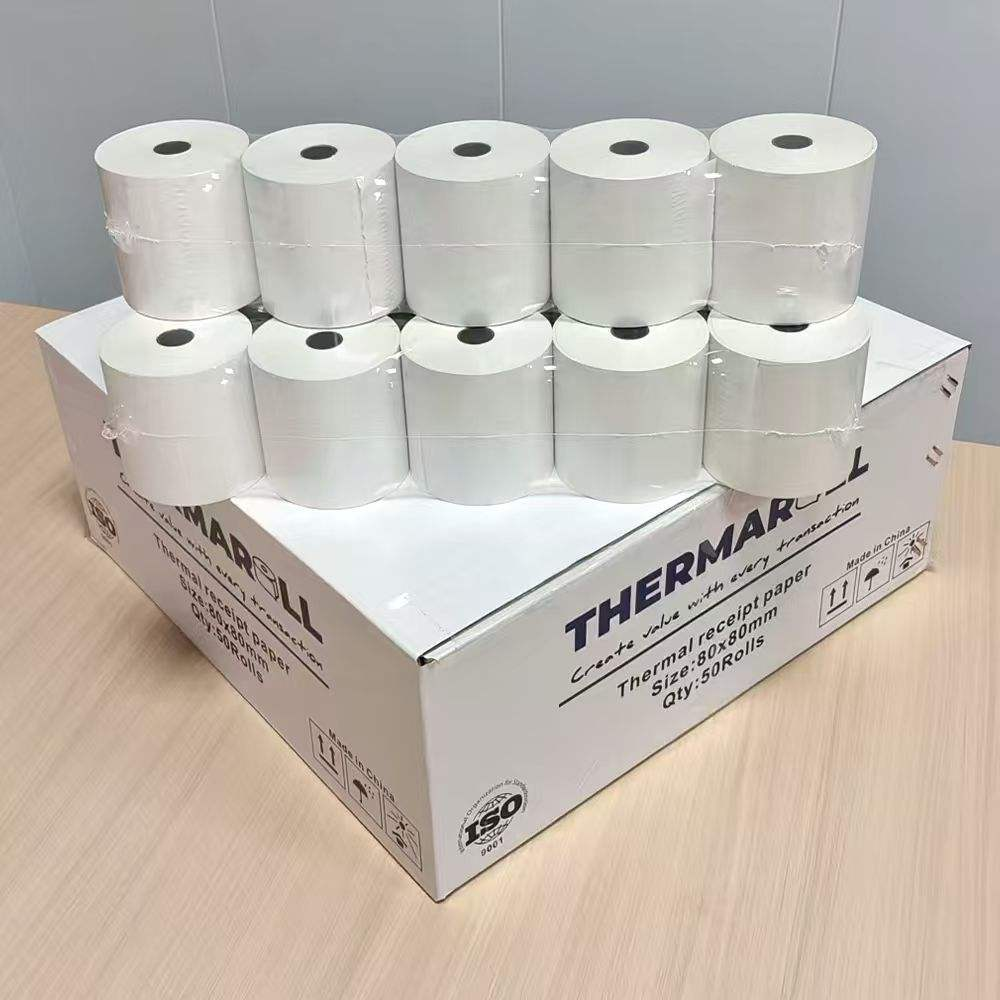
Thermal paper does not make an invoice legally compliant by itself. Compliance starts with the invoicing system, required invoice data and the generated QR code. The paper buyer's job is to make sure the selected roll fits the printer, produces readable output under the intended settings and remains usable through transport, storage and daily operation.
Separate Invoice Compliance From Paper Performance
This distinction prevents one of the most common sourcing errors. A supplier can provide consistent receipt paper, but the supplier cannot certify that a retailer's tax invoice workflow is compliant merely because a QR code prints on the roll.
For Saudi projects, the current requirements should be checked against the official ZATCA e-invoicing guidance. ZATCA explains that simplified tax invoices use QR codes generated by the electronic invoicing solution. Your tax adviser or POS solution provider should confirm the applicable invoice fields and system requirements.
The paper qualification should focus on a different set of questions:
- Does the roll fit the exact printer model and paper compartment?
- Does the printer produce a sharp QR code at its normal speed and energy setting?
- Are variable fields kept clear of any pre-printed logo, terms or background design?
- Can the roll tolerate the expected warehouse, vehicle and store conditions?
- Can the supplier reproduce the same paper, dimensions and packing on repeat orders?
Define the Receipt Roll Before Requesting a Quote
Do not request only an “80mm VAT roll.” The width is just one part of the specification.
| Specification | Why it matters | What the buyer should provide |
|---|---|---|
| Width | Must match the print mechanism | Width in millimetres |
| Outer diameter | Must fit the paper compartment | Maximum accepted diameter |
| Core | Affects fit and remaining roll space | Core inside and outside diameter |
| Roll length | Affects receipt yield and price comparison | Required or minimum length |
| Paper weight | Changes thickness, feel and length at a fixed diameter | Target GSM or approved sample |
| Winding | Determines which coated side faces the thermal head | Coated side and unwind direction |
| Packing | Protects rolls during export and storage | Rolls per pack, carton and pallet |
If these fields are unavailable, send the printer model, a photo of the compartment and a physical reference roll. Our thermal paper roll range provides a starting point, but a sample test remains the final qualification step.
Test QR Readability Under Real Operating Conditions
A QR code that scans once from a fresh laboratory print is not enough. Use the actual printer model, production software and intended invoice layout. Print multiple samples at the normal store speed and density setting, then scan them with more than one common phone or business scanner.
The test should include:
- Fresh output at the normal printing setting.
- Output after normal handling, folding and light abrasion.
- Aged samples stored under the project's expected conditions.
- The smallest QR code and densest receipt layout expected in operation.
- Samples from the beginning and end of the roll.
Record the printer model, settings, paper batch and acceptance result. This turns “clear printing” into a repeatable approval method rather than a subjective claim.
Plan for GCC Storage and Transport
Heat exposure can activate or darken thermal coating, while prolonged heat, light, moisture and chemical contact can reduce printed-image stability. The risk depends on the paper grade, exposure level and duration. Avoid universal temperature or image-life promises unless they are supported by a named grade and test conditions.
For an export project, confirm individual wrapping, carton strength, pallet protection, container loading plan and warehouse practices. Keep cartons away from heat sources, direct sunlight, water and incompatible chemicals. If the rolls will be stored in vehicles, outdoor kiosks or hot back rooms, disclose that use before sample approval.
Decide Whether Arabic-English Pre-Printing Is Needed
The POS system usually prints transaction-specific data. Pre-printing is better suited to stable elements such as a logo, customer-service information, campaign text or fixed terms. Before production, separate variable system fields from fixed artwork.
Arabic artwork requires native-language review. Check right-to-left direction, connected letter forms, punctuation, number order and alignment. Approve a PDF proof and a physical printed sample, not only an editable design file.
Frequently Asked Questions
Does QR code receipt paper make a Saudi invoice compliant?
No. The invoicing solution and invoice data determine compliance. Paper selection supports physical print quality and readability. Always verify current requirements with official authorities and qualified advisers.
Is high-sensitivity paper always better for QR codes?
Not automatically. Sensitivity must be matched with the printer's energy, speed and environment. Excessive density can close small QR modules, while insufficient density can create weak contrast. Test the complete printer-paper-layout combination.
Should GCC buyers choose 60 or 65 GSM paper?
GSM affects thickness, hand feel and possible roll length, but it is not a quality grade by itself. Confirm the paper compartment, desired length and sample performance before choosing a heavier paper.
For a project-specific review, send your printer model, target market, roll dimensions, storage conditions and sample receipt through our quotation form.
Need thermal paper, labels, or NCR forms?
We normally respond within 24 hours after we receive complete product specifications, quantity, packaging, and destination details.