ATM and Banking Receipt Paper Specification Guide
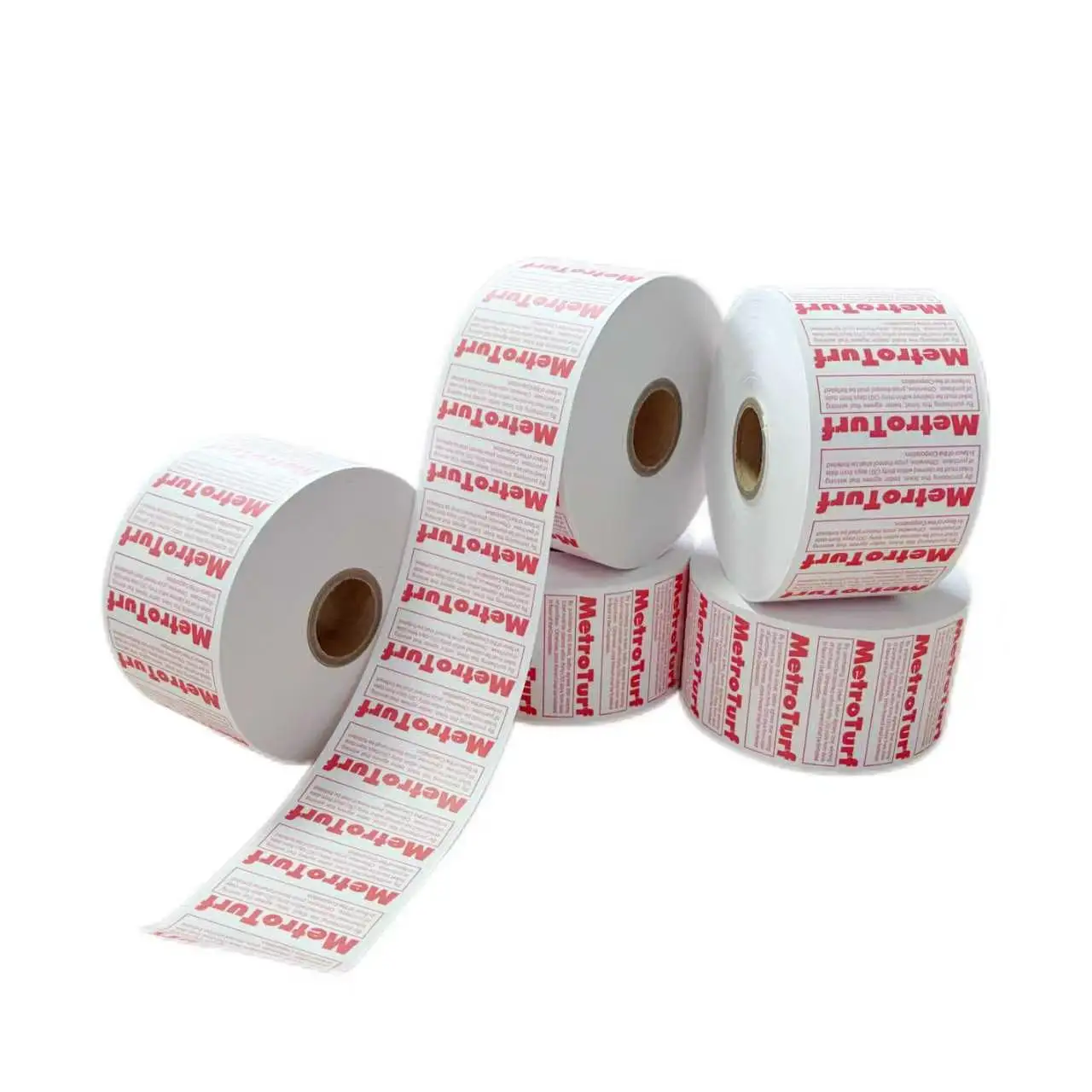
ATM and banking receipt paper should not be treated as a generic POS consumable. Financial terminals, self-service devices and teller-side printers often have tighter fit expectations and lower tolerance for feed inconsistency. Buyers should write the specification around the device family first, then decide how to control repeat orders and incoming inspection.
Define the Device Family Before Naming the Roll
The starting point is not "bank receipt paper." It is the exact machine or printer family in use. An ATM receipt mechanism, a queue machine and a compact branch terminal may all look similar from a purchasing distance, but their roll compartments and feeding paths can differ in ways that matter.
The buyer should collect:
- Device brand and model
- Roll width requirement
- Maximum outer diameter
- Core size or core dimensions
- Winding requirement if known
- Existing approved sample, if available
Small rolls are common in these devices, but width alone is not enough. Buyers who need a reference structure can review formats such as 57x30mm thermal rolls or 57x40mm thermal rolls, then confirm the real machine limits before sampling.
Prioritize Fit and Feed Consistency
In financial or self-service use, a single jam creates more than inconvenience. It interrupts a customer transaction and often triggers a service response. That is why fit control matters as much as print darkness.
| Specification field | Why it matters in banking use |
|---|---|
| Width | Keeps the roll aligned in the mechanism |
| Outer diameter | Determines compartment fit |
| Core size | Affects stability and remaining paper volume |
| Winding | Helps the printable side meet the thermal head correctly |
| Batch identification | Supports issue tracing across branches |
The buyer should test more than one roll from the sample pack and include loading, feeding and end-of-roll behavior. If the terminal family is sensitive to size variation, the approval record should say so explicitly.
Decide What "Acceptable Output" Means for the Project
Banking and self-service projects often care about consistent readability, but the exact requirement varies. Some receipts are checked immediately and discarded. Others may need clearer retention over the normal customer handling period. The supplier cannot infer that requirement from the product name alone.
Before approval, the buyer should define:
- Whether the print must support barcode or QR reading.
- Whether the receipt is kept briefly or for a longer handling period.
- Whether the device prints in high volume or moderate branch traffic.
- Whether branch staff can test on receipt or only the engineering team can.
That information helps the supplier align sample choice and helps the buyer avoid vague instructions such as "good quality for ATM use." Add the printer model and acceptance criteria to the approval note so the engineering and purchasing teams are reviewing the same standard.
Add Batch and Packing Control for Distributed Networks
Banking and kiosk projects often serve many devices across many locations. That makes carton labeling and batch control more important than buyers first expect. If a defect is reported, the buyer should be able to identify the shipment batch and isolate the affected stock.
The receiving plan should confirm carton labels, size code, quantity and lot identification. If the importer distributes to branches or service teams, keep that same information visible through the internal warehouse process.
Build a Reorder Standard After the First Approved Batch
Once the first order passes device testing and incoming inspection, the buyer should freeze one standard: approved device list, roll dimensions, accepted output, packing method and batch traceability rule. That file becomes the basis for the next quotation and the next incoming inspection.
Buyers can use our contact page to send device model, current sample and distribution requirement together when preparing an ATM or banking receipt paper RFQ.
Frequently Asked Questions
Is ATM receipt paper the same as ordinary POS receipt paper?
Sometimes the base material class is similar, but the buying task is different. ATM and banking projects usually need tighter control over fit, device compatibility and batch consistency.
What is the most important field to confirm first?
The most important starting field is the exact device model. That gives context for width, diameter, core and sample testing.
Why is batch identification important for banking projects?
Because the stock is often distributed across multiple devices or branches. If an issue appears, the buyer needs to trace which shipment and which cartons were involved.
Need thermal paper, labels, or NCR forms?
We normally respond within 24 hours after we receive complete product specifications, quantity, packaging, and destination details.