Thermal Paper for Fuel Stations and Outdoor Payment Terminals
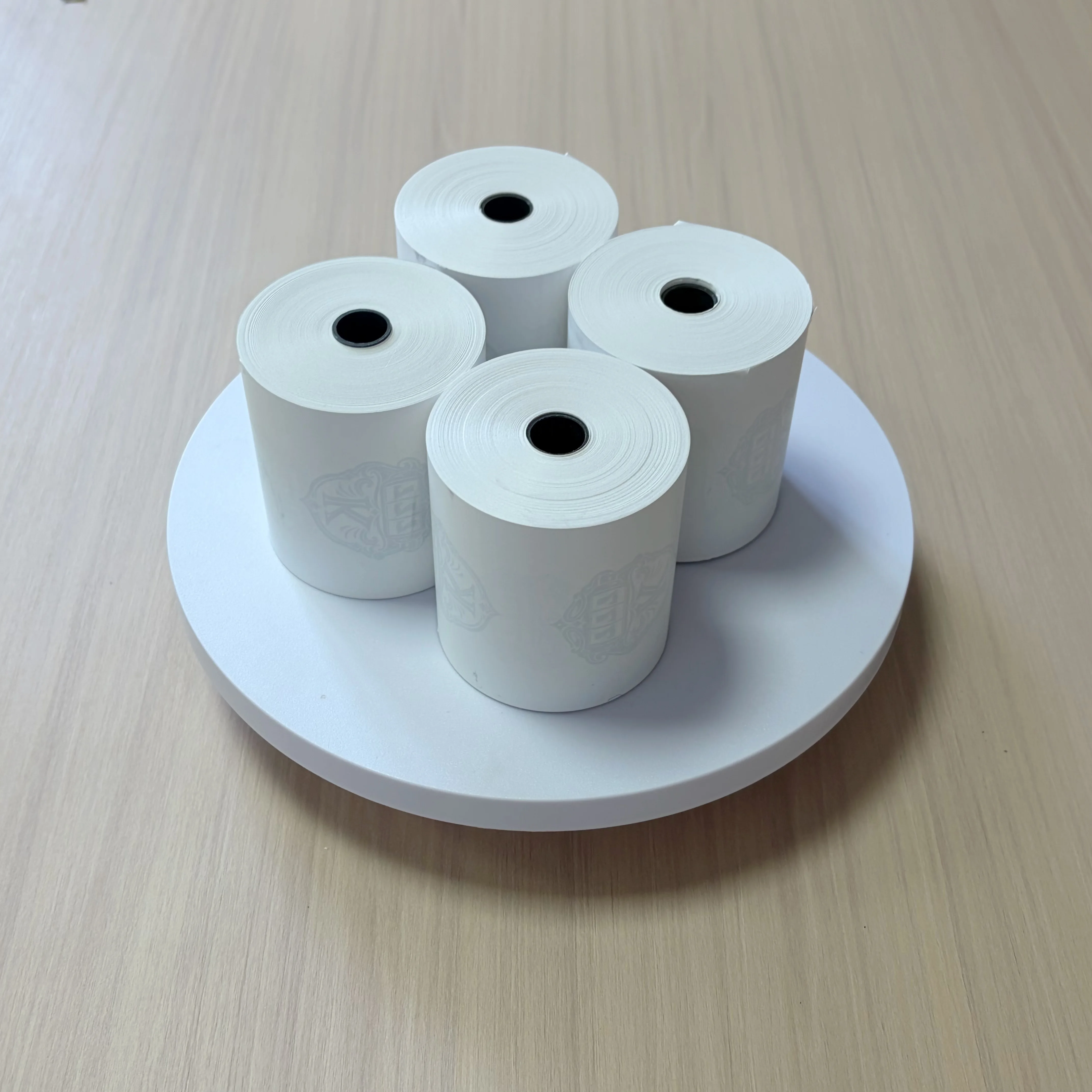
Fuel stations and outdoor or semi-outdoor payment devices place thermal paper into a field environment, not a quiet indoor counter. Buyers should define that environment clearly before sample approval. Otherwise the supplier is left guessing whether the terminal sits inside an air-conditioned kiosk, on a forecourt island or in a vehicle-attended payment setup.
Map the Real Exposure Before Requesting Samples
The phrase "outdoor terminal" is too broad for a useful RFQ. Buyers should instead describe where the roll is stored, where it is used and how quickly it is replaced.
Useful project inputs include:
- Whether the terminal is indoor, sheltered outdoor or fully exposed during use
- Whether rolls are stored in hot back rooms, cabinets or vehicles
- Whether attendants handle receipts with oily or dusty hands
- Whether the device prints short payment slips or longer transaction records
- Whether the site runs standard daytime traffic or 24-hour operation
- Whether the roll width, core size and carton label format are already fixed by the installed device program
Those details matter because they shape the buyer's sample test and packing expectations. They also help separate terminal-fit issues from storage and handling issues. Buyers who already know the main roll family can start from our thermal paper rolls range and then narrow the test from there.
Confirm Terminal Fit Before Discussing Performance Claims
Outdoor payment use still begins with the same physical question: does the roll fit the device? No amount of application language can rescue a roll that exceeds the compartment or feeds poorly through the mechanism.
| Device question | What the buyer should confirm |
|---|---|
| Width | Exact machine requirement |
| Outer diameter | Maximum fit inside the compartment |
| Core | Stable loading and usable paper volume |
| Winding | Correct printable side orientation |
| Replacement rhythm | How often site staff change rolls |
The buyer should collect the terminal model and an existing roll sample when possible. If several device models are in the field, do not assume one compact roll automatically fits all of them.
Run a Field Test That Reflects Actual Use
A field-use sample test should stay simple but realistic. That usually means using the real terminal, the real layout and the normal service routine instead of a desk printer in a quiet office.
The test should include:
- Loading the roll into the actual device.
- Printing repeated transactions at normal settings.
- Checking legibility after ordinary handling.
- Observing whether the roll feeds consistently near the end.
- Recording where the terminal and spare rolls were kept during the test.
If the buyer sees fading, darkening or handling complaints, document the exact condition instead of writing only "bad quality." That makes follow-up decisions much faster.
Match Packing and Replenishment to Site Handling
Fuel station and field payment programs often involve frequent small replenishment rather than warehouse-stable shelf storage alone. That makes the packing format important. Site staff may need cartons that are easy to identify and easy to move without mixing different terminal rolls.
The buyer should confirm:
- Carton label format by size and site SKU
- Carton quantity that matches replenishment rhythm
- Whether mixed-site shipments are separated clearly
- Whether spare rolls need tighter protective wrapping for local handling
This is where many field projects go wrong. Procurement focuses on the roll and ignores the fact that the stock will move through site cabinets, service vehicles or rapid redistribution.
Keep One Condition Record for Repeat Orders
After the first order, keep a short record with terminal model, accepted roll dimensions, sample notes and site conditions. That becomes the base document for reorder review. If the site environment changes, update the record before the next quotation.
For projects in fuel retail, parking or outdoor payment use, the buyer can submit device details and field conditions through our contact page for a sample-based review.
Frequently Asked Questions
Is outdoor payment terminal paper always a special product?
Not automatically. Some projects can use a standard thermal paper grade if the device, storage and handling conditions stay controlled. The buyer should test the real environment before deciding.
What matters more in fuel-station use: storage or printing?
They matter together. A roll can fit the device and still create complaints if spare stock is handled poorly or stored in harsher conditions than the sample test covered.
Why should buyers describe site conditions in the RFQ?
Because words like outdoor, hot or dusty are too broad on their own. The supplier needs the actual operating picture to support a meaningful sample and packing recommendation.
Need thermal paper, labels, or NCR forms?
We normally respond within 24 hours after we receive complete product specifications, quantity, packaging, and destination details.