Choosing Thermal Paper for Restaurant and Kitchen POS Printers
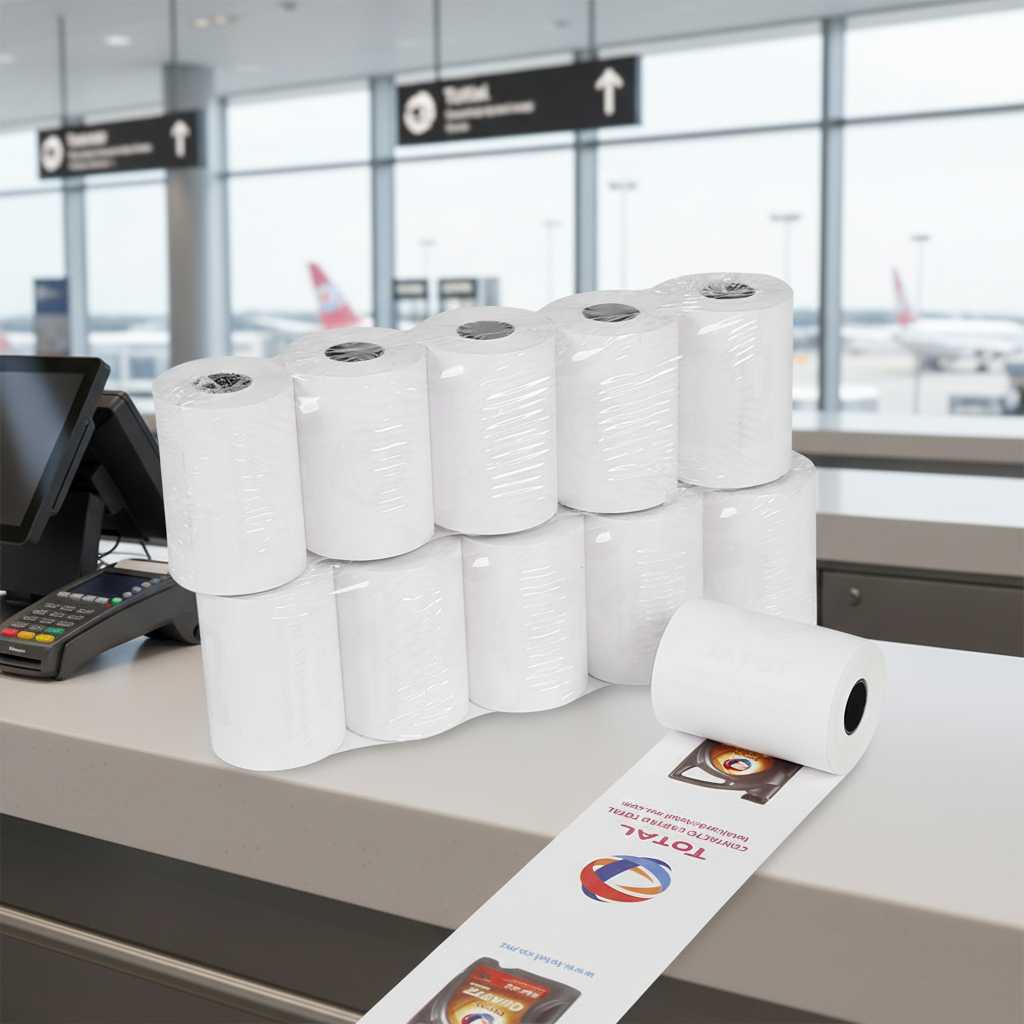
Restaurant thermal paper selection becomes more predictable when the buyer separates front-counter billing from kitchen ticket printing. The two jobs may use similar-looking rolls, but the operating pressure is different. One printer faces customer-facing receipts and payment flow. The other may run short kitchen tickets through busy service windows with frequent roll changes and hotter surroundings.
Separate Front Counter and Kitchen Print Jobs
Many food-service buyers treat all restaurant printers as one category. That creates avoidable confusion during sampling and reorder. Start by mapping where each roll is used.
The buyer should record:
- Counter receipt printers
- Kitchen order printers
- Handheld or compact devices, if any
- Expected receipts or tickets per shift
- Maximum accepted diameter in each compartment
If one branch uses standard full-size receipt printers and another uses compact devices, the project may need more than one SKU. A good starting point is the thermal paper rolls category, followed by a model-by-model fit review.
Focus on Feed Stability During Busy Periods
Restaurant staff do not evaluate paper like a laboratory team. They judge it by whether the printer keeps working during peak service. Procurement should translate that into sample checks that reflect actual use.
| Operating concern | What the buyer should test |
|---|---|
| Frequent roll changes | Roll length and replacement rhythm |
| Busy service periods | Feed stability during repeated prints |
| Compact printers | Maximum diameter and core fit |
| Kitchen handling | Legibility after normal handling |
| Mixed devices | SKU match by exact model |
Do not approve a sample on one short receipt only. Run several prints in sequence and include the longest normal output used in the restaurant.
Define the Environment Instead of Asking for a Vague "Better Paper"
Restaurant buyers often describe problems with broad words such as heat, grease or moisture. Those words are useful only when they are tied to the actual print environment. A front counter in air conditioning is different from a printer next to a pass window or hot kitchen wall.
The buyer should tell the supplier:
- Whether the printer is near steam, oil or cleaning routines.
- Whether the printer is enclosed or open.
- Whether rolls are stored in a back room, vehicle or shelf near heat.
- Whether the print needs to remain legible only for immediate service or also for customer receipts.
This avoids the common trap of asking for a generic "restaurant grade" without describing the problem the grade is expected to solve.
Keep the Roll and Packing Practical for Branch Replenishment
Restaurant replenishment is often handled quickly by branch staff, not by a specialized receiving team. That makes clear SKU labeling and carton planning important. If the chain uses more than one roll family, cartons should show size and quantity clearly enough to avoid last-minute mix-ups.
The buyer should confirm roll quantity per carton, carton identification and the reorder reference sample. If the business runs many branches, those details save more time than generic marketing claims ever will.
Use the First Order to Build a Repeatable Restaurant Standard
Once the sample is approved, keep a short record with printer model, roll size, accepted diameter, test result and packing format. That becomes the restaurant standard for the next order. If a future quote changes paper thickness, core or packing, the buyer can challenge the difference early.
For restaurant groups or food-service distributors, our contact page can be used to submit printer models, target sizes and branch replenishment needs in one request.
Frequently Asked Questions
Do kitchen printers always use a different thermal paper roll from front counters?
Not always. Some sites can use the same family across both areas, but the buyer should still confirm fit and performance in the actual kitchen printer before combining SKUs.
What matters more for restaurants: roll length or print darkness?
Both matter, but they solve different problems. Roll length affects replacement frequency. Print clarity affects ticket readability. Buyers should test both instead of treating one as a shortcut for the other.
What causes many restaurant paper complaints?
A common cause is approving a roll in a quiet office test and then assuming it will behave the same way in a busy shift with repeated prints, quick reloads and mixed devices.
Need thermal paper, labels, or NCR forms?
We normally respond within 24 hours after we receive complete product specifications, quantity, packaging, and destination details.