Thermal Paper for Supermarkets and Convenience Store POS Systems
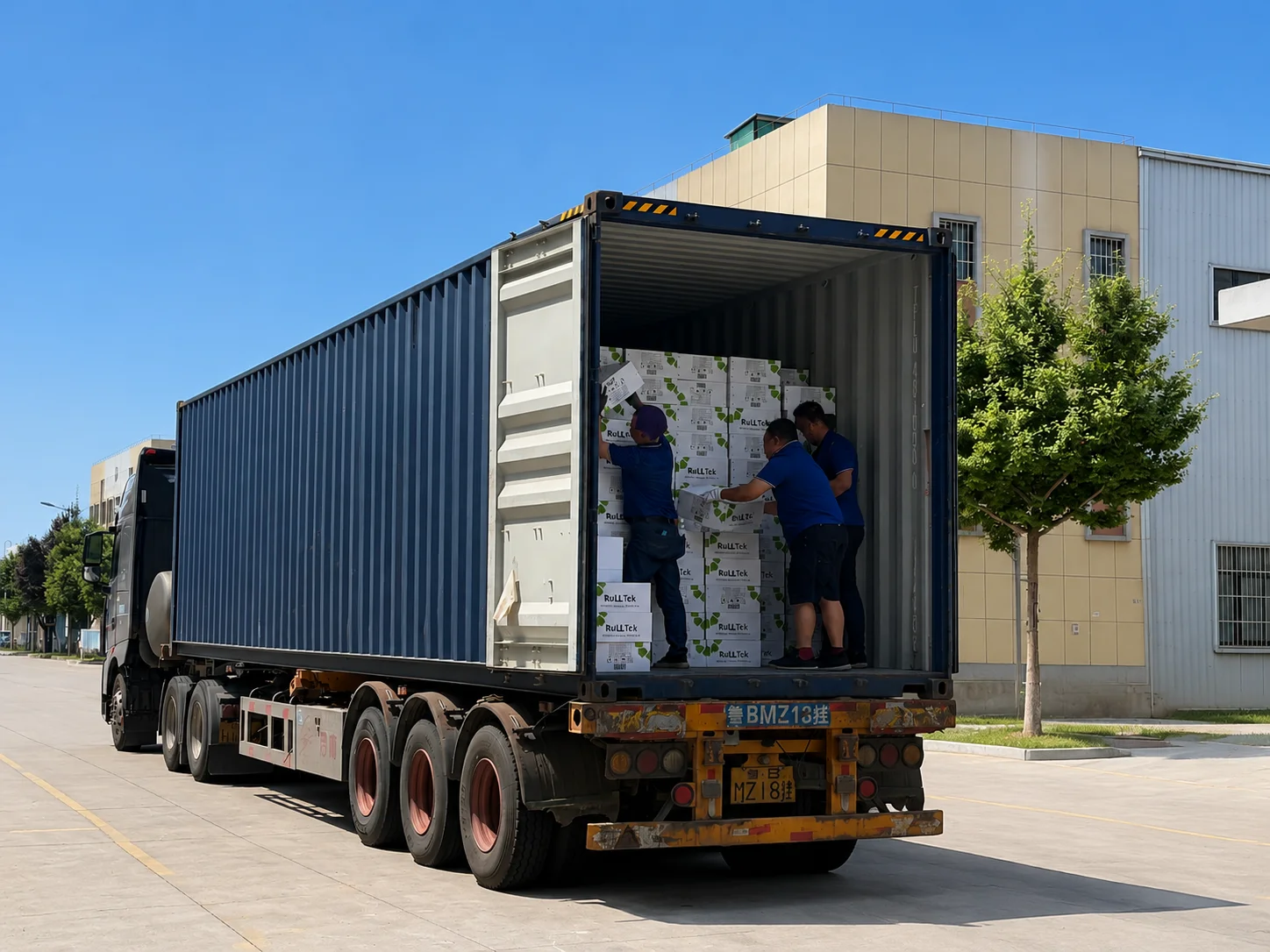
Supermarket and convenience-store buyers rarely have a single thermal paper question. They usually have a fleet question. The challenge is not only whether one roll can print clearly. It is whether the chosen SKU mix can support checkout traffic, replenishment rhythm and warehouse handling across many stores.
Start With the Store and Printer Map
Retail procurement becomes inefficient when the buyer starts with a generic market label instead of the installed devices. A chain may use one full-size receipt printer at the main checkout, a different printer at service counters and a smaller terminal in a satellite location.
The first buyer document should map:
- Printer models by store type
- Required roll width, core size and maximum diameter
- Typical receipts per day
- Replacement frequency by location
- Current carton label format and pallet usage
Many chains will find that 80mm remains the main family, but that does not remove the need to confirm diameter, core and length. A practical starting point is our 80x80mm thermal roll page, followed by a store-level fit check.
Buy for Checkout Continuity, Not for One Demo Printer
A roll that looks fine in a short office test may still create operational friction in a busy store. Retail buyers should think in terms of continuity: how often staff change rolls, whether printers are sensitive to diameter variation, and whether receipt quality stays readable during peak periods.
| Retail concern | What the buyer should check |
|---|---|
| High checkout volume | Roll length and replacement frequency |
| Mixed printer fleet | Exact fit by model, not width only |
| Large replenishment orders | Carton quantity and pallet efficiency |
| Store complaints | Feed stability and clear print output |
| Redistribution | Easy carton identification by SKU |
The commercial cost of a weak decision is often hidden. A small fit issue multiplied across stores becomes labor, delays and complaints.
Plan Replenishment at Carton and Pallet Level
Retail purchasing should not stop at the roll. The buyer should ask how the product will move from inbound warehouse to stores. If the chain distributes by carton, the carton quantity should fit the real replenishment cycle. If the distributor ships mixed sizes, the SKU labeling must support quick picking.
The buyer should confirm:
- Rolls per carton and carton dimensions
- Carton labeling by size or SKU
- Pallet quantity for forecast planning
- Whether mixed-store orders require separate SKU handling
- Whether the same packing format can be held for repeat orders
These points help buyers control stock flow without turning a paper purchase into a warehouse problem.
Handle Store Complaints With a Structured Review
Retail teams usually describe issues in operational language: "printer jam," "faded receipt," "too many roll changes," or "wrong size delivered." Procurement should translate those complaints into a repeatable review.
Check whether the complaint comes from:
- Wrong diameter or core
- Lower roll yield than expected
- Printer-specific feed sensitivity
- Carton mislabeling in the warehouse
- Change between approved sample and delivered stock
That review is faster when the buyer already has a written specification and signed sample. Without those records, every complaint turns into a fresh debate.
Keep One Retail Approval Standard for Repeat Orders
For multi-store procurement, the strongest position is a simple approval standard: named roll dimensions, accepted printer list, approved packing format and reorder reference sample. When the supplier quotes the next order, ask them to quote against that standard instead of reopening every detail.
Retail buyers that want support on fleet mapping or replenishment planning can use our contact page and send the installed printer list together with target order volume.
Frequently Asked Questions
Do supermarket chains always need 80mm thermal paper?
Many do, but not all retail operations use the same printer family. The buyer should confirm each device rather than assume one width solves the whole fleet.
Is carton quantity important for store operations?
Yes. Carton quantity affects warehouse handling, replenishment efficiency and the risk of SKU confusion during picking and delivery.
What is the most useful first step for a retail thermal paper RFQ?
Prepare a printer-and-store map first. That gives the supplier a clearer basis for recommending sizes, packing and sample testing.
Need thermal paper, labels, or NCR forms?
We normally respond within 24 hours after we receive complete product specifications, quantity, packaging, and destination details.