Why Thermal Paper Turns Black in Hot Warehouses—and How GCC Buyers Can Reduce the Risk
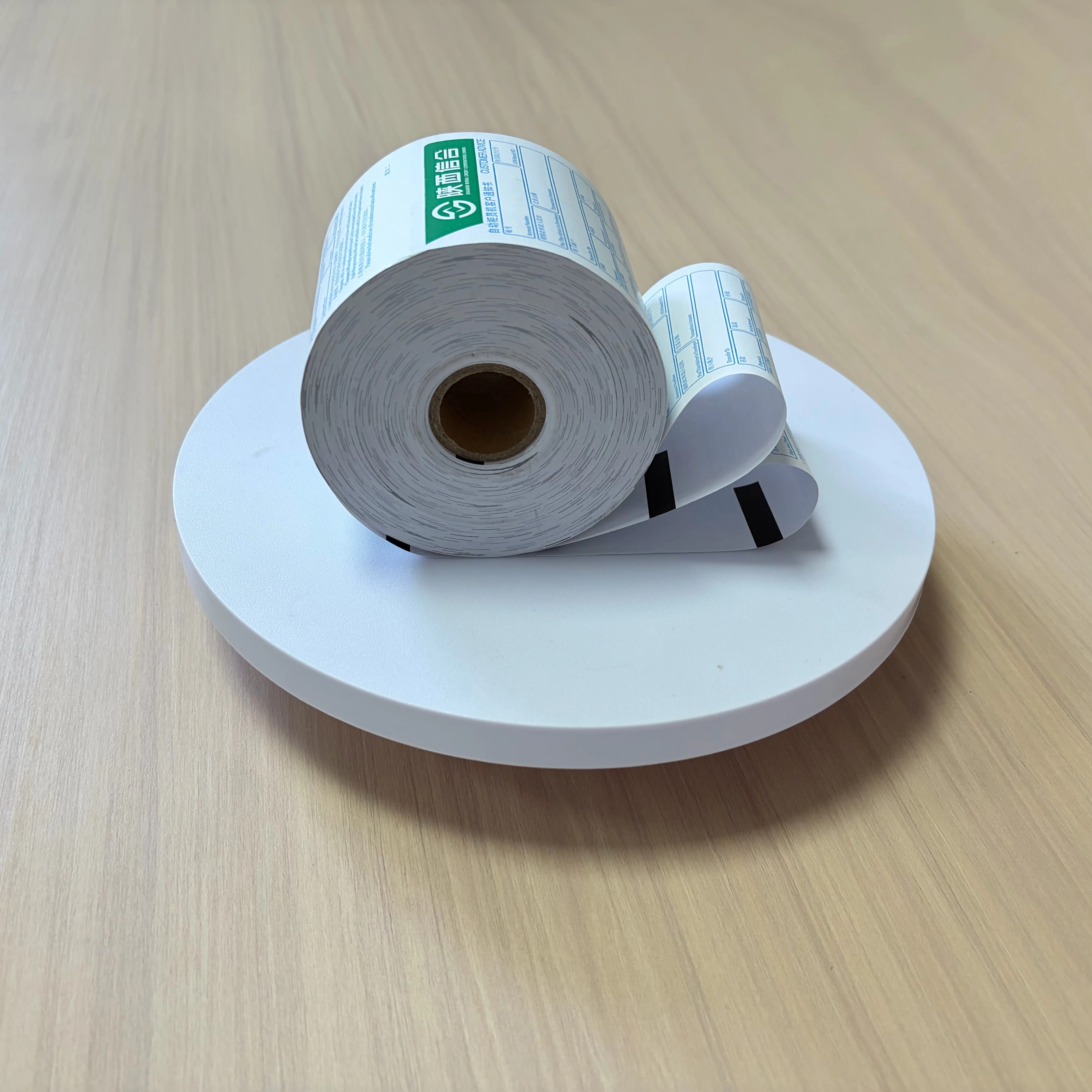
Thermal paper can darken when enough heat activates its imaging layer before printing. Printed receipts can also lose contrast through prolonged heat, light, moisture or chemical contact. GCC buyers should manage this as an exposure-and-duration problem, then qualify the paper, packing and storage plan for the real logistics route.
Understand the Three Different Risks
Buyers often combine stock storage, printed-image life and in-use durability into one question. They are separate.
| Risk | Material state | Typical concern |
|---|---|---|
| Unprinted stock storage | Rolls before use | Background darkening, curl or degraded print response |
| Printed-image retention | Completed receipt | Fading, discoloration or loss of contrast |
| In-use durability | Receipt during handling | Heat, oil, water, abrasion or chemical contact |
A grade described as long-life is not automatically water-resistant. A top-coated grade is not automatically suitable for every heat exposure. Request evidence for the specific property and conditions that matter.
Map the Full GCC Logistics Route
The paper may pass through a factory warehouse, export container, port, inland truck, distributor warehouse, delivery vehicle and retail back room before reaching the printer. Each stage can add heat, moisture or physical damage.
Document:
- Expected shipping season and route.
- Container type and loading duration.
- Pallet position and protection.
- Warehouse ventilation or air conditioning.
- Maximum planned storage period.
- Vehicle or outdoor storage after distribution.
- Nearby chemicals, PVC materials, oils or cleaning agents.
This map helps the supplier choose samples and packaging for the project. It also prevents a laboratory result from being treated as proof for an undefined real-world environment.
Specify Protective Packing Clearly
Packaging should reduce moisture entry, carton crushing, contamination and direct exposure. The appropriate design depends on shipment size and route.
Common RFQ fields include individual wrapping, pack quantity, carton board grade, carton dimensions, pallet pattern, stretch wrapping, corner protection and moisture-control requirements. Do not request “waterproof packing” without defining the exposure. Protection from warehouse humidity is different from protection against standing water or outdoor rain.
Inspect packing during sample or pilot orders. A strong paper grade can still arrive unusable if rolls are compressed, cartons collapse or the wrapping opens during transport.
Set Warehouse and Handling Rules
Keep thermal paper in its protective packing until needed. Store cartons away from direct sunlight, heaters, hot roofs, wet floors and incompatible chemicals. Use pallets or shelving rather than placing cartons directly on the floor.
Apply first-in, first-out stock rotation and keep batch labels visible. If rolls are moved from a very hot area into an air-conditioned room, allow controlled conditioning before opening packs when condensation is possible.
Avoid copying a universal temperature limit from an unrelated supplier page. Storage limits and image-life statements should refer to the selected grade's documentation and the project's acceptance method.
Run a Conditioned Sample Test
Create a test that represents the buyer's most important risks without pretending to reproduce every shipping event.
- Retain an untreated control sample.
- Expose wrapped and unwrapped samples under recorded conditions.
- Record temperature, humidity, duration and sample orientation.
- Inspect background colour, curl, blocking and physical damage.
- Print a standard test pattern on the actual printer.
- Scan any barcode or QR elements and record the result.
- Compare with the approved control and acceptance criteria.
For kitchen, parking or outdoor projects, add the relevant oil, splash, abrasion or light exposure separately. “Three-proof” should always be expanded into named protections and test conditions.
Our thermal paper products include options for different receipt and operating tasks. Grade selection should follow a documented exposure review and sample test.
Frequently Asked Questions
Can thermal paper be stored in a shipping container?
It is routinely transported by container, but risk depends on route, season, duration, packing and paper grade. Buyers should review these conditions and approve shipment packaging rather than assume every container journey is equivalent.
Does blackening mean the paper is permanently damaged?
Severe background darkening can reduce usable contrast and may make the roll unsuitable. Evaluate both the unprinted background and the print response against an approved sample.
Is top-coated paper heat-proof?
No. A protective coating may improve selected resistance properties, but it does not create unlimited heat resistance. Confirm the named property, grade and test conditions.
Share your destination, route, storage period and point-of-use environment through our quotation form so packing and sample testing can be matched to the project.
Need thermal paper, labels, or NCR forms?
We normally respond within 24 hours after we receive complete product specifications, quantity, packaging, and destination details.